
Hot tub service for South Florida homes and facilities
Hot Tub Service, Repair, and Preventive Maintenance
Choose professional hot tub service when the spa is not heating, leaking, displaying an error, losing circulation, making unusual noise, tripping a breaker, producing weak jets, or simply needs dependable year-round care. Our team helps homeowners and facility operators move from symptoms to a clear service plan, including diagnostics, repairs, routine maintenance, and PMI Preventive Maintenance Inspection service.
Give the technician useful information before the visit
Request Hot Tub Service in South Florida
Send the brand, model, serial number, symptoms, control-panel message, photos, address, access conditions, and preferred timing. A complete request makes it easier to determine whether the next step should be diagnostics, maintenance, PMI enrollment, a warranty referral, an electrical review, or a repair-versus-replacement conversation.
- Identify the spa: Brand, model, serial number, approximate age, purchase history, and residential or shared-use status.
- Describe the problem: No heat, error message, breaker trip, leak, pump noise, weak jets, cloudy water, control issue, or lighting problem.
- Show the equipment: Provide clear photos of the spa, control panel, equipment bay, model label, affected area, surrounding deck, and service access.
- Explain recent changes: Note draining, refilling, storms, electrical work, water-care changes, repairs, long periods without use, or heavier use.
Stop using the spa when a condition appears unsafe
Some Symptoms Should Not Wait for Continued Operation
Turn the hot tub off at the appropriate disconnect or breaker and avoid touching wet electrical equipment when there is smoke, a burning smell, exposed wiring, water entering the electrical area, a severe uncontrolled leak, or repeated breaker tripping. Do not keep resetting a breaker to force the spa to run.
Match the service path to the condition
Hot Tub Service Options
A strong provider does not treat every call as the same problem. The scope should match the symptoms, age, condition, property, and whether the goal is to correct a failure or prevent one.
Diagnostic Service
Evaluate the complaint, error history, visible equipment, circulation, heating, pumps, sensors, leaks, power symptoms, filters, and operating conditions before recommending parts.
Corrective Repair
Address approved work involving supported pumps, seals, unions, plumbing, heaters, sensors, controls, circulation components, jets, lighting, ozone, or related systems.
PMI Preventive Maintenance
Schedule recurring inspection and maintenance support intended to identify developing concerns and help keep the spa ready throughout the year.
Water-Care Support
Review sanitizer, pH, clarity, filters, buildup, surface condition, circulation, startup, draining, refilling, and the maintenance routine required by the spa.
Commercial Maintenance
Support hotels, gyms, clubs, rentals, condominiums, and amenity properties with preventive service, corrective work, documentation, and access planning.
Repair-or-Replacement Review
Compare repair cost, part availability, condition, access work, repeated failures, warranty, efficiency, comfort, and replacement options before investing more.
Describe what the spa is doing instead of guessing which part failed
Common Reasons to Request Hot Tub Service
The same symptom can have several causes. Accurate diagnostics help avoid replacing a heater when the actual problem is flow, replacing a pump when the issue is electrical, or adding chemicals when circulation is not working correctly.
No Heat or Slow Heating
Possible areas include flow restriction, filters, circulation, settings, sensors, heater, controls, air locks, electrical supply, or water loss.
Breaker Trips
Moisture, heater faults, pump problems, damaged wiring, controls, or supply conditions may require both spa and electrical evaluation.
Weak or Missing Jets
Review water level, diverters, air controls, blocked jets, dirty filters, pump operation, valves, plumbing, and recent draining.
Visible or Suspected Leak
Inspect pumps, seals, unions, valves, heater, plumbing, jets, drain, shell areas, insulation, and water paths before deciding access needs.
Pump Noise or No Circulation
Grinding, humming, surging, air, overheating, low flow, or no movement can involve bearings, impeller, power, valves, blockage, or water level.
Error Messages
Photograph the exact code and display. Resetting the spa may erase useful information or temporarily hide a condition that still needs diagnosis.
Cloudy, Foamy, or Odorous Water
Review sanitizer, pH, filter condition, bather load, contaminants, biofilm, circulation, water age, products added, and drain needs.
Controls, Lights, or Accessories
Topside panels, lighting, audio, ozone, Wi-Fi, cover lifters, steps, and accessories may require model-specific parts and diagnosis.
Repeated Problems
Review history, chemistry, installation, electrical supply, access, related component wear, prior modifications, and whether replacement now makes sense.
Preventive Maintenance Inspection
PMI Hot Tub Service for Year-Round Peace of Mind
PMI service is for owners and operators who do not want to wait until the hot tub stops heating, loses water, develops poor circulation, or becomes difficult to use. Scheduled preventive visits create a consistent inspection routine, document condition, and help identify developing problems earlier.
A Preventive Maintenance Inspection (PMI) is a scheduled evaluation of a hot tub’s equipment, water condition, circulation, heating, controls, filters, plumbing, and visible components to identify developing problems before they cause a breakdown. It helps keep the hot tub operating safely, efficiently, and ready for use throughout the year.
Operating Review
Review controls, errors, circulation, heating response, pumps, jets, lighting, unusual sounds, and visible equipment behavior.
Leak and Moisture Check
Inspect accessible equipment, unions, seals, plumbing, heater area, drains, cabinet, and visible signs of moisture or deterioration.
Filter and Water-Care Review
Check filter condition, water clarity, sanitizer and pH workflow, buildup, cleaning needs, and the owner or staff routine.
Service Notes
Document conditions, maintenance completed, concerns to monitor, access limitations, recommended repairs, and future priorities.
Cover and Surroundings
Review cover condition, lifter, steps, access, drainage, vegetation, debris, equipment clearance, and service obstacles.
Recurring Planning
Choose frequency based on use, environment, property type, bather load, chemistry responsibility, spa age, and the written plan.
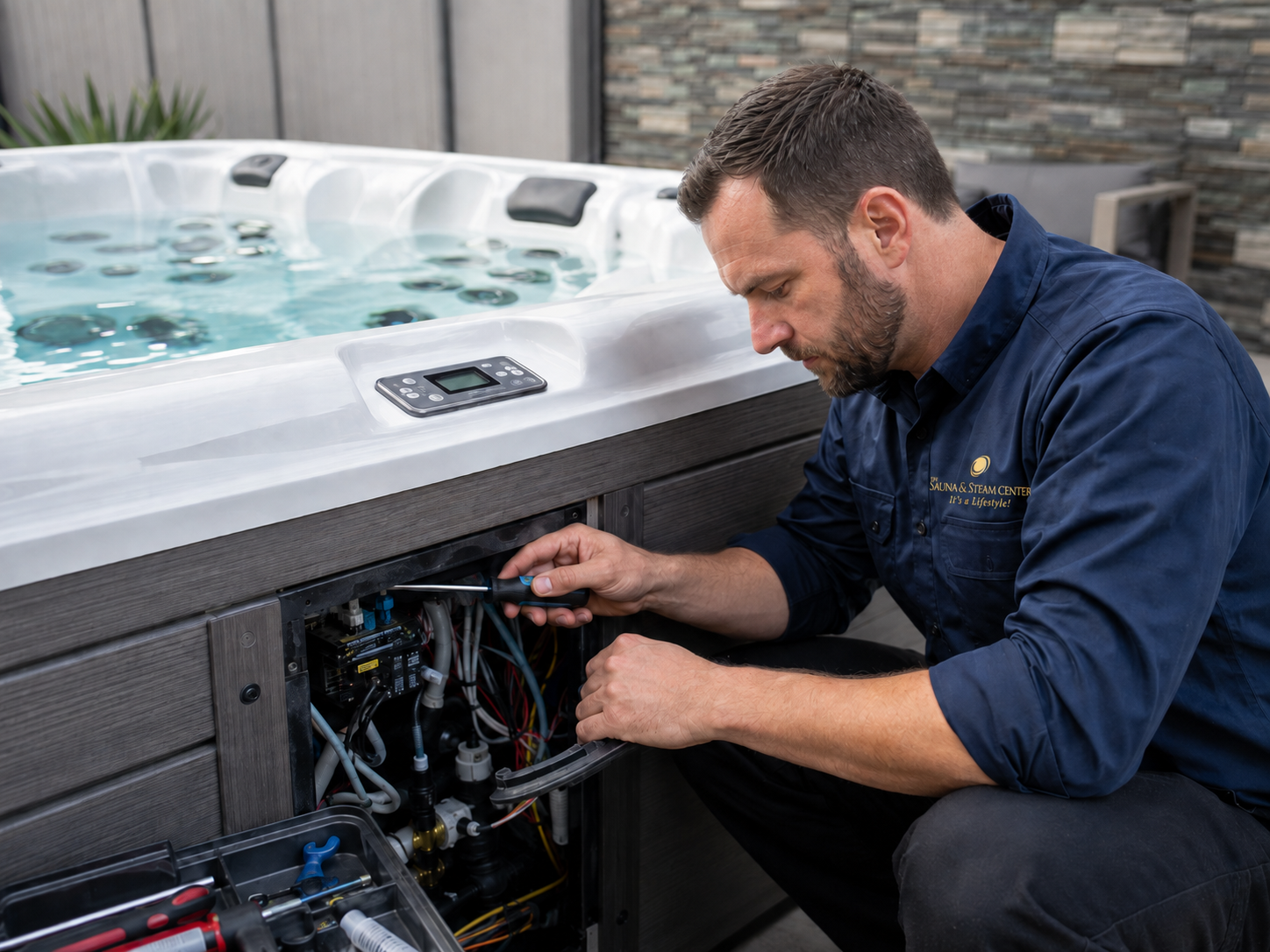
A clear process reduces uncertainty and unnecessary part replacement
Our Hot Tub Service Process
The service process begins with accurate information and ends with documented findings, approved work, operating verification, and a practical ownership recommendation.
Submit the Request
Provide spa information, symptoms, photos, address, access, recent changes, property type, and preferred timing.
Initial Review
Determine whether the request suggests diagnostics, maintenance, PMI support, warranty direction, an electrician, or another trade.
On-Site Assessment
Review the complaint, controls, equipment, flow, heating, pumps, visible plumbing, moisture, filters, water condition, and access.
Findings and Approval
Explain observed conditions, uncertainty, recommended work, parts, exclusions, access needs, restoration, and cost path.
Repair or Maintenance
Complete approved supported work, document parts and conditions, protect the property, and coordinate other trades when required.
Verification and Care Plan
Test relevant functions, review remaining concerns, explain owner actions, document follow-up, and discuss PMI when useful.
Residential, preventive, and facility service planning
Hot Tub Service and Maintenance Gallery
Use the images to think about equipment access, safe working space, covers, decks, landscaping, water care, facility operations, and the difference between waiting for a failure and maintaining a consistent plan.
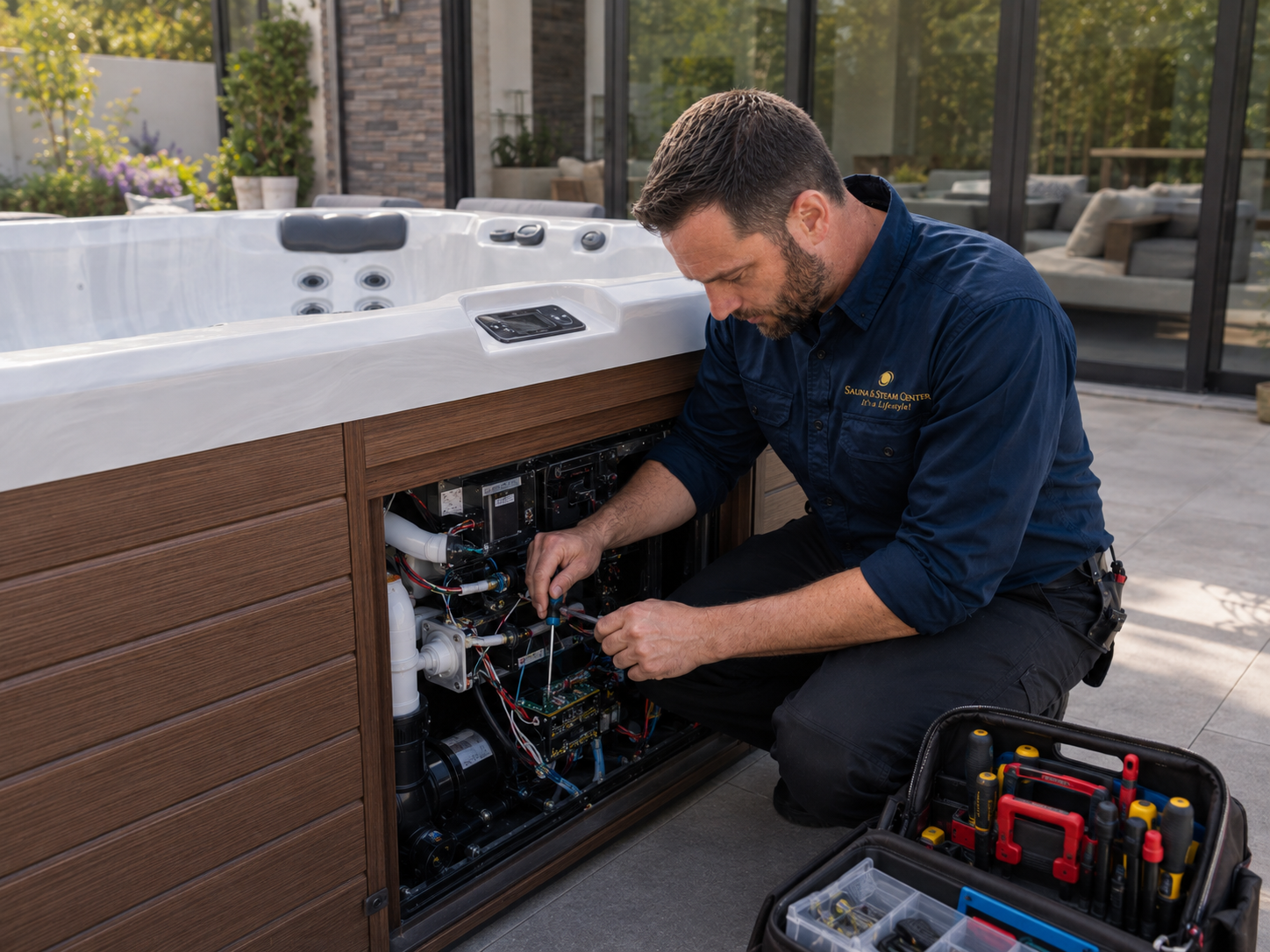
A service visit begins with the symptoms, control messages, equipment inspection, operating tests, and a clear recommendation.
Pumps, circulation, heating, plumbing, controls, filters, and visible moisture should be evaluated as one connected system.
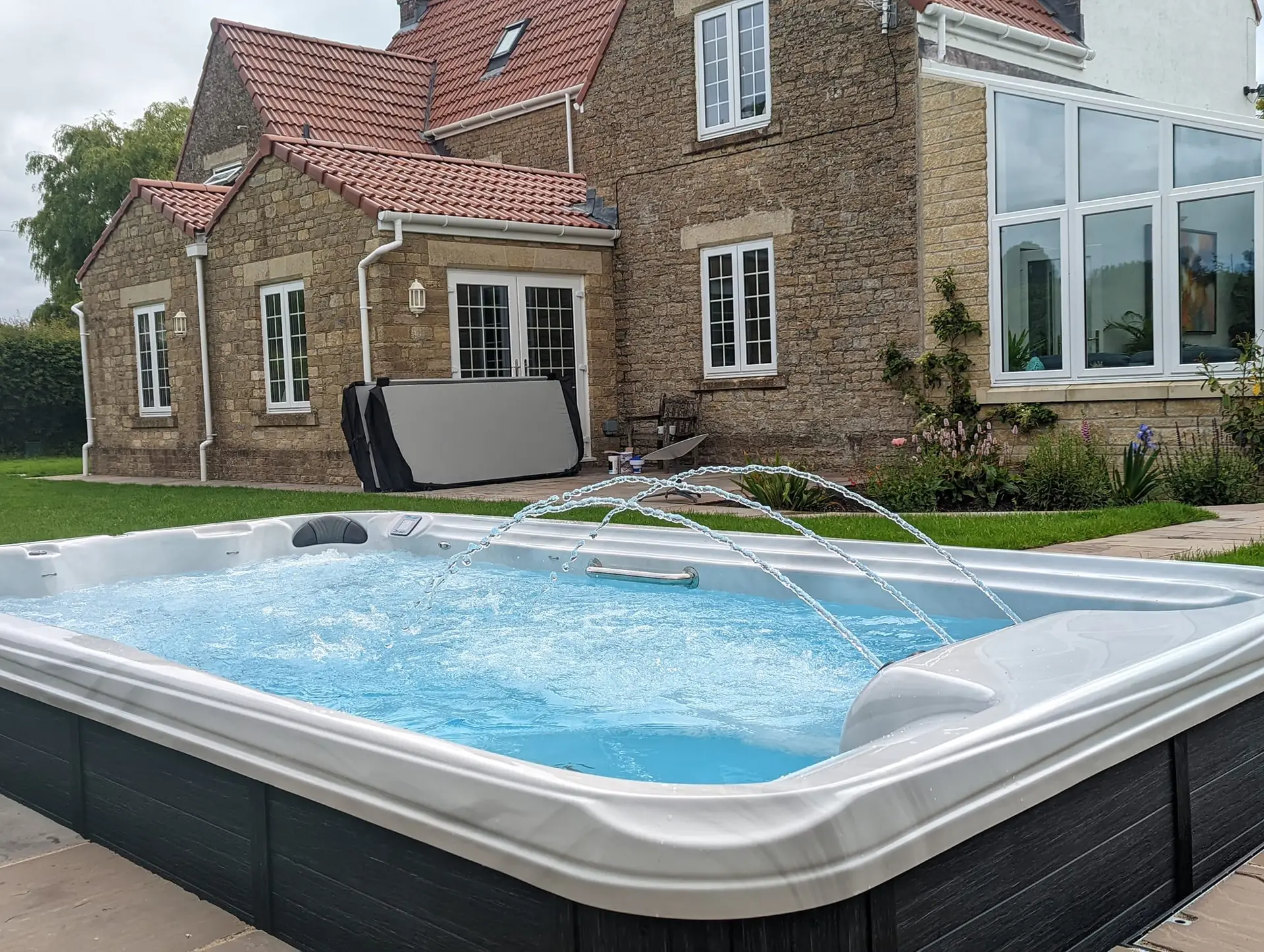
Preventive care helps the owner keep the water, cover, equipment, and surrounding access ready for regular use.

Decks, planters, walls, and landscaping should preserve removable access to pumps, controls, heaters, plumbing, and drains.
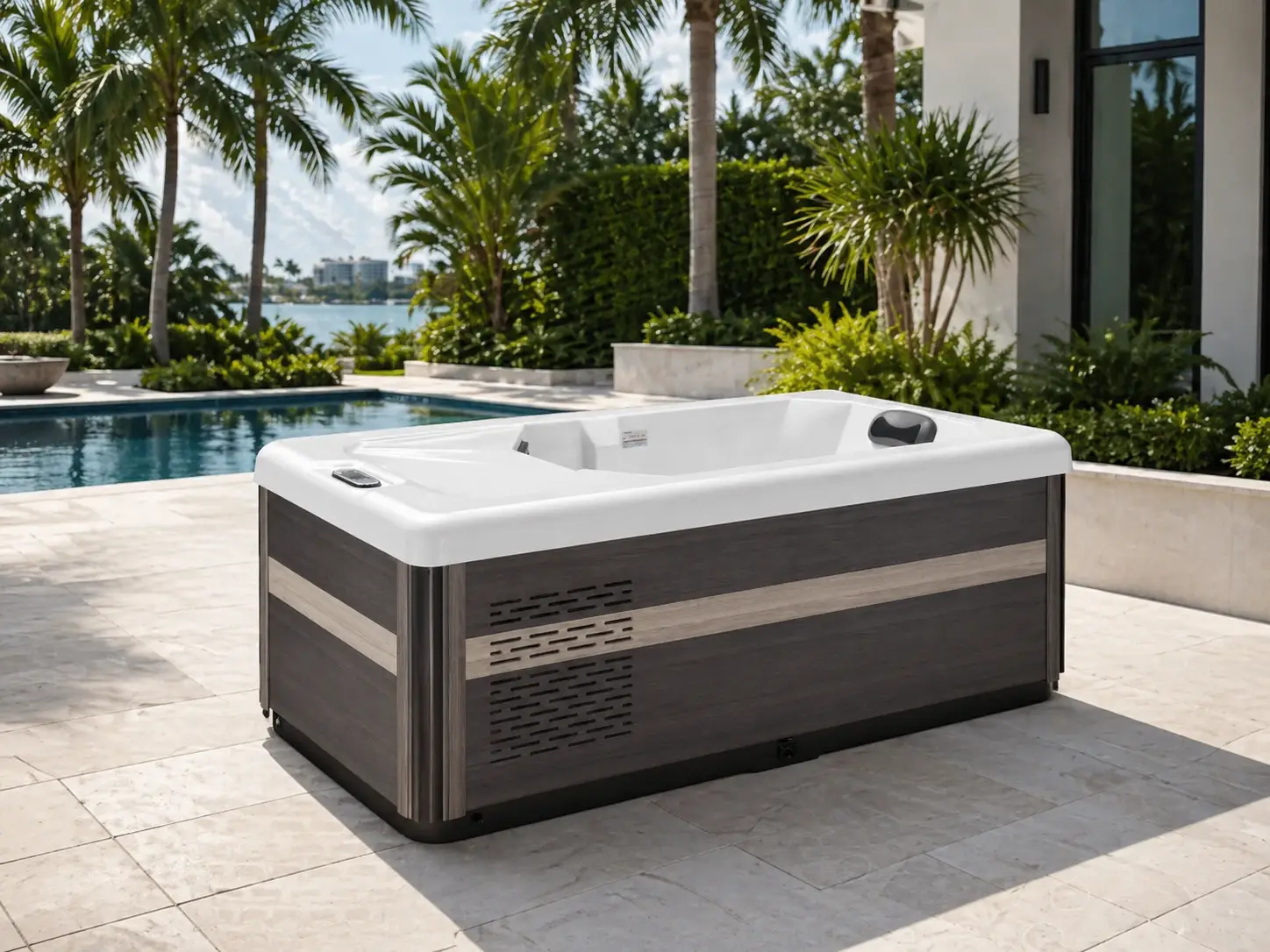
Homeowners benefit from a simple maintenance routine, documented service history, and help identifying developing problems early.

Hotels, gyms, clubs, condominiums, and rental properties need clear operating records, trained staff, and reliable maintenance procedures.
Good service works best when the owner follows a consistent routine
What Owners Should Maintain Between Hot Tub Service Visits
The exact routine comes from the spa manufacturer, water-care system, local conditions, and usage. A technician can support the process, but the owner or operator remains responsible for regular observation and timely action.
Test the Water
Check sanitizer and pH routinely, record unusual readings, use correct products, and follow spa and chemical manufacturer instructions.
Inspect and Clean Filters
Monitor flow, debris, discoloration, damage, and buildup. Replace filters when they no longer clean or flow correctly.
Watch the Water Level
Low water can affect circulation and heating. Unexpected loss may indicate evaporation, splash-out, cover issues, or a leak.
Observe Sounds and Errors
Photograph messages and note when humming, grinding, surging, clicking, air, low flow, or unusual cycling begins.
Maintain the Cover
Keep it clean, secured, and positioned correctly. Review waterlogging, damage, hinge wear, lifter operation, wind exposure, and heat loss.
Preserve Service Access
Keep equipment panels reachable and avoid permanent decking, stone, walls, storage, plants, or furniture that block repairs.
Drain and Refill Correctly
Use the manufacturer procedure, protect pumps from air locks, clean surfaces, manage wastewater, and restore chemistry.
Prepare for Storms and Absence
Secure covers, remove loose accessories, maintain drainage, protect equipment, and plan for long periods without observation.
Keep Service Records
Save invoices, parts, chemistry issues, filters, drain dates, error codes, warranty documents, and PMI reports.
Water-quality fundamentals
Use Current Manufacturer Guidance and Recognized Public-Health Ranges
CDC recommends that hot-tub water not exceed 104°F. Its current user guidance identifies at least 3 ppm free chlorine or 4–8 ppm bromine and pH 7.0–7.8 as reference ranges. The spa, sanitizer system, labels, and local commercial requirements may require more specific procedures.
Hotels, gyms, clubs, condominiums, rentals, and shared facilities
Commercial Hot Tub Service and Preventive Maintenance
Public and shared hot tubs operate under heavier bather loads and greater documentation, sanitation, staffing, and risk-management responsibilities. The facility needs a clear operating program in addition to a repair provider.
Water-Quality Records
Maintain disinfectant and pH logs, testing frequency, corrective actions, drain records, filter service, chemical use, and maintenance history.
Preventive Equipment Program
Inspect filtration, circulation, feed equipment, sensors, pumps, heaters, plumbing, drains, covers, and accessible components before failures.
Trained Staff
Define who tests water, handles chemicals, responds to closures, reports problems, contacts service, records work, and approves reopening.
Cleaning and Biofilm Control
Follow current requirements for surfaces, water replacement, filters, recirculation, disinfection, contamination events, and reopening.
Bather and Safety Management
Control capacity, temperature, barriers, covers, signage, supervision, accessibility, emergency equipment, and guest communication.
PMI Reporting
Define the checklist, frequency, reports, photos, escalation process, excluded work, chemistry responsibility, parts approval, and communication chain.
The least expensive repair today is not always the lowest-cost decision
Should You Repair, Maintain, or Replace the Hot Tub?
A responsible recommendation considers the current failure and the condition of the entire spa. The decision should account for safety, structure, parts, access, history, warranty, desired features, expected remaining life, and total cost.
Repair May Make Sense
The shell and structure remain sound, parts are available, access is practical, failures are limited, and the repair supports meaningful remaining use.
PMI May Be the Best Next Step
The spa is operating but maintenance is inconsistent, the property needs readiness, small concerns are developing, or recurring documentation is useful.
Replacement May Be Stronger
Failures repeat, parts are obsolete, structure is compromised, access work is extensive, or the owner wants better comfort, controls, warranty, or support.
Connect service with the complete wellness-property plan
Related Hot Tub and Wellness Services
A service visit may reveal a maintenance issue, installation problem, access limitation, replacement opportunity, or a need to coordinate the hot tub with another wellness system.
Local support in Hollywood, Florida
Speak With Our Hot Tub Service Team
Send the model information, photos, history, control message, symptoms, water-care concerns, access information, and questions about repair, PMI maintenance, replacement, financing, or a complete backyard plan.
Questions to answer before scheduling
Hot Tub Service FAQs
Get clear answers about diagnostics, PMI preventive maintenance, appointment preparation, heating, breaker trips, leaks, filters, water testing, commercial support, repair versus replacement, and requesting help.
What types of hot tub service do you provide?
Service can include diagnostics, repair recommendations, pump and circulation checks, heating problems, controls and error messages, visible leaks, plumbing, jets, filters, lighting, ozone or sanitation components, startup help, water-care support, and preventive maintenance. Exact brand, model, part, location, and commercial support should be confirmed when scheduling.
What is PMI hot tub service?
PMI means Preventive Maintenance Inspection. It is scheduled support designed to inspect the spa, review operating performance, identify developing concerns, document findings, and help keep the hot tub ready for year-round use. The exact inspection list, frequency, water-care work, parts, chemicals, and repair labor depend on the selected written plan.
Does preventive maintenance guarantee that my hot tub will never fail?
No preventive service can guarantee that a component will never fail. PMI service is intended to reduce surprises by finding visible wear, abnormal operation, water-care problems, leaks, or access concerns earlier and by creating a more consistent maintenance history.
What should I send before the appointment?
Send the brand, model, serial number, approximate age, property address, photos of the spa and equipment area, control-panel message, symptoms, recent work, water condition, breaker behavior, access restrictions, and whether the spa is residential or shared-use.
Why is my hot tub not heating?
Possible causes include control settings, low flow, a dirty filter, circulation problems, heater or sensor faults, air locks, electrical issues, or other equipment conditions. A technician should review the error history, flow, power, sensors, controls, and heating operation.
Why does the hot tub breaker keep tripping?
Repeated tripping can indicate moisture, damaged equipment, wiring problems, heater faults, pump problems, or another electrical condition. Do not repeatedly reset the breaker. Turn the spa off and arrange qualified service, especially if there is a burning smell, visible water near electrical equipment, or exposed wiring.
Can you repair a leaking hot tub?
Leak service begins by identifying whether water is coming from a pump seal, union, fitting, valve, heater, plumbing line, jet body, drain, shell area, or another source. Access, insulation, decking, and the exact leak location determine whether the repair is practical and what restoration may be required.
How often should filters be cleaned or replaced?
The interval depends on filter type, manufacturer instructions, bather load, chemistry, environment, and operating conditions. Filters should be inspected regularly, cleaned according to the manufacturer directions, and replaced when damaged, restricted, deteriorated, or no longer performing correctly.
How often should hot tub water be tested?
Residential owners should test and adjust disinfectant and pH routinely and follow the manufacturer directions. CDC recommends that public hot tubs test disinfectant and pH at least twice per day and as often as hourly during heavy use. Local requirements may be stricter.
Do you service hotels, gyms, condominiums, clubs, and rental properties?
Commercial and shared facilities can request service and preventive-maintenance support. The operating plan may need water-quality records, trained staff, inspection logs, higher testing frequency, bather-load management, filter and recirculation maintenance, sanitation procedures, emergency response, and coordination with the authority having jurisdiction.
When should I repair the hot tub instead of replacing it?
Repair is often reasonable when the cabinet and shell remain sound, parts are obtainable, access is practical, the equipment is otherwise serviceable, and the repair cost supports the expected remaining life. Replacement may be stronger when failures are repeated, parts are unavailable, the shell or structure is compromised, or the owner wants better efficiency, comfort, controls, warranty, or local support.
How do I request hot tub service?
Submit the service form with the spa information, symptoms, photos, address, access details, and preferred timing. Our team can review whether the request appears to be a diagnostic visit, routine maintenance, PMI enrollment, commercial support, a warranty matter, or a repair-versus-replacement consultation.
Ready to stop guessing and create a service plan?
Request Hot Tub Service or PMI Maintenance
Send the brand, model, serial number, symptoms, photos, address, access details, service history, water condition, and preferred timing. Our team will help determine whether the next step should be diagnostics, approved repair, routine maintenance, PMI enrollment, commercial support, or a repair-versus-replacement review.