
Infrared Sauna Benefits: Realistic Health Benefits, Risks, and What to Expect
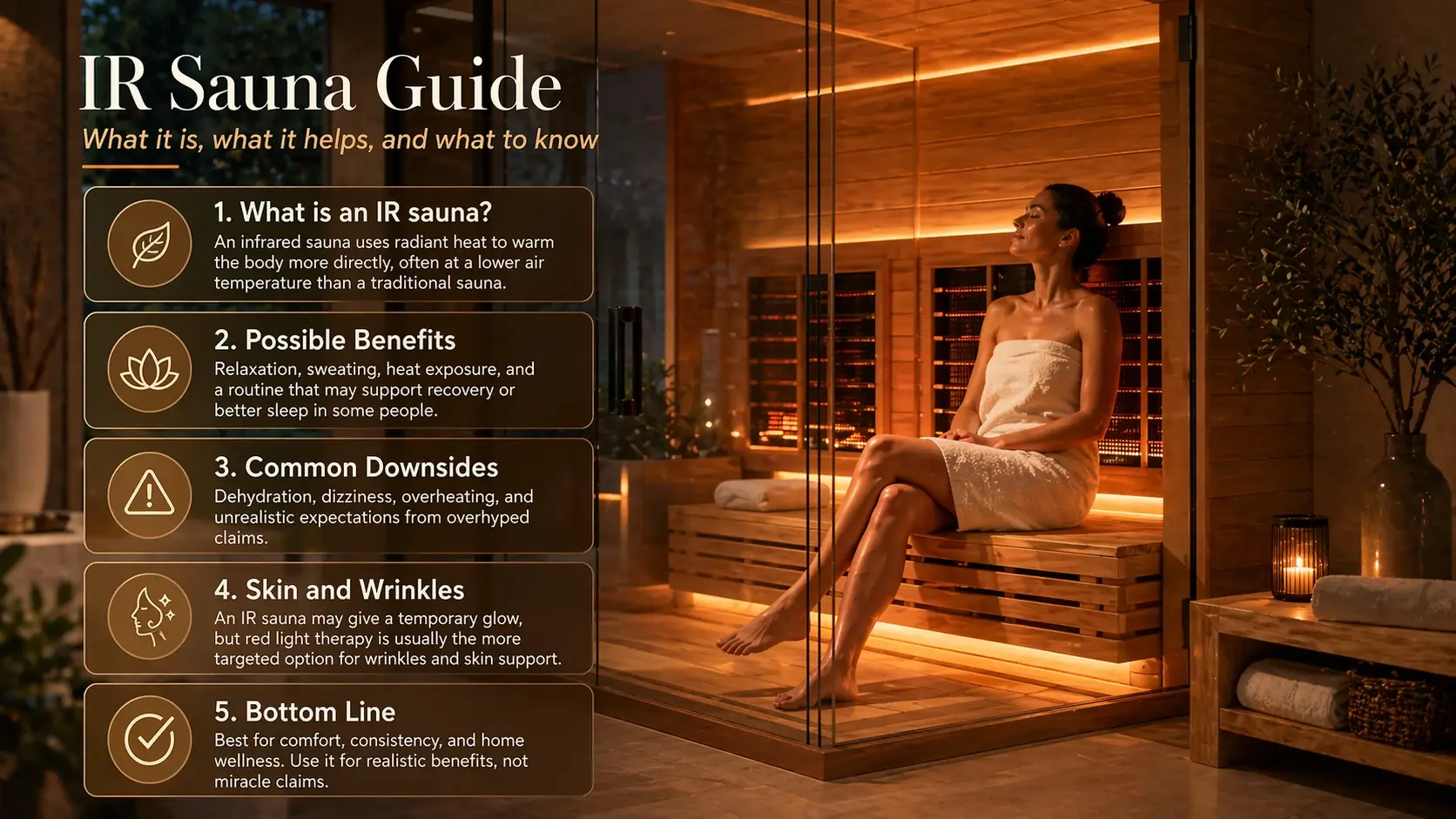
Infrared sauna benefits may include relaxation, easier heat tolerance, temporary muscle comfort, post workout recovery support, temporary skin glow, and a calming routine that some people find helpful before bed. Infrared saunas, sometimes called IR saunas, use infrared heat to warm the body more directly while keeping the surrounding air cooler than many traditional saunas. This can make the experience easier to tolerate for people who dislike very hot air.
The most important thing to understand is that infrared sauna benefits are usually practical and modest, not miracle based. Infrared saunas should not be presented as a detox cure, a weight loss shortcut, a collagen treatment, a cortisol cure, or a replacement for medical care. For homeowners, the real value is often comfort, consistency, safe use, and choosing a sauna setup that fits your space, your routine, and your wellness goals.
Article Information
- Topic: Infrared sauna benefits
- Business focus: Residential and commercial sauna education, design, and installation
- Reviewed for sauna accuracy by: Charles Arthur, Sauna and Steam Room Specialist
- Last updated: June 16, 2026
- Important note: This article is for general wellness and buyer education. It is not medical advice.
Sauna & Steam Center is not a medical provider. Our role is to help homeowners and commercial buyers understand sauna options, comfort differences, installation considerations, and realistic use expectations before investing in an infrared sauna.
Quick Answer
Infrared saunas may be helpful if you want a lower temperature sauna experience, a relaxing heat routine, and temporary comfort for everyday soreness or stiffness. They may also fit well into a post workout or evening wellness routine because many people find the heat easier to tolerate than traditional high heat. However, claims about detox, major fat loss, immune boosting, disease treatment, collagen building, wrinkle removal, or direct cortisol control go beyond what most buyers should expect from an infrared sauna.
For wrinkles, skin tightening, and collagen focused goals, red light therapy is usually the more targeted option. For stress and high cortisol concerns, sauna may help some people unwind, but it should not be treated as a proven stand alone fix.
Infrared Sauna Benefits at a Glance
| Potential Benefit | How Strong Is the Claim? | What It May Mean in Real Life |
|---|---|---|
| Relaxation | Strong practical benefit | A warm, quiet space may help you unwind and build a calmer routine. |
| Lower temperature comfort | Strong practical benefit | Infrared heat often feels easier to tolerate than very hot traditional sauna air. |
| Temporary soreness or stiffness comfort | Moderate | Some users feel looser after heat exposure, especially after activity. |
| Post workout recovery support | Moderate | May fit into a recovery routine, but sleep, hydration, nutrition, and training load matter more. |
| Circulation response | Moderate | Heat can increase heart rate and blood flow during a session. |
| Sleep routine support | Limited but practical | Some users find evening heat helps them relax before bed. |
| Temporary skin glow | Limited but practical | Heat and sweating may leave skin looking flushed or fresher right after a session. |
| Weight loss | Weak | Most short term weight change comes from water loss, not fat loss. |
| Detox | Weak and often overstated | Sweating feels refreshing, but infrared sauna use is not a proven detox therapy. |
| Collagen or wrinkle improvement | Weak for sauna claims | Red light therapy is usually more relevant when the goal is skin appearance. |
Key Takeaways
- Infrared sauna benefits are most believable when they are described as comfort, relaxation, and routine benefits.
- IR sauna is simply another way to say infrared sauna.
- Infrared saunas usually operate at lower air temperatures than traditional saunas, which may make them easier to use consistently.
- Some users may notice temporary relief from everyday soreness, stiffness, or post exercise discomfort.
- Infrared sauna sessions can increase sweating, heart rate, and blood flow, but that does not mean they replace exercise.
- Ten minutes is a practical beginner session, not a dramatic transformation.
- Skin benefits should be described carefully. A temporary glow is realistic, but wrinkle removal and collagen claims are easy to overstate.
- For wrinkles, red light therapy is usually more targeted than infrared sauna heat.
- Weight loss after a sauna session is usually water loss, not body fat loss.
- Detox, immune boosting, cortisol lowering, and broad medical treatment claims should be treated carefully.
- The best infrared sauna is usually the one you can use safely, comfortably, and consistently.
What Is an Infrared Sauna?
An infrared sauna uses infrared heat to warm the body more directly instead of relying only on very hot air. IR sauna means the same thing as infrared sauna. In practical terms, that usually means the sauna can feel warm and sweat inducing while the air temperature stays lower than many traditional saunas.
The main difference for buyers is comfort. Infrared is not automatically better than traditional sauna heat. It is a different heat experience that some people find more approachable, especially if they want a dry, lower temperature session that feels easier to repeat several times per week.
| Feature | Infrared Sauna | Traditional Sauna |
|---|---|---|
| Main heating style | Uses infrared heat to warm the body more directly | Heats the air first, which then warms the body |
| Typical feel | Lower air temperature, dry heat, still warm enough to sweat | Hotter air, stronger heat intensity, classic sauna feel |
| Common temperature range | Often around 110 to 140°F | Often around 160 to 200°F |
| Best fit | People who want a milder, easier to tolerate sauna routine | People who enjoy intense heat and a classic sauna experience |
Most people are not only asking for a technical definition. They are trying to figure out which sauna style they will actually enjoy enough to use week after week. If you are still comparing heat styles or planning a home setup, our 2026 home sauna guide and our breakdown of infrared vs. traditional sauna can help you narrow the right direction faster.
What Are the Most Realistic Infrared Sauna Benefits?
The most realistic infrared sauna benefits are comfort based and routine based. A sauna does not need to promise dramatic transformation to be valuable. If it helps you relax, enjoy heat more comfortably, and use it consistently, that can be enough reason to consider one for your home.
1. A Lower Temperature Sauna Experience
One of the biggest infrared sauna benefits is that the air temperature is usually lower than a traditional sauna. This can make the experience feel more approachable for people who like heat but do not enjoy extremely hot air.
For homeowners, this matters because comfort often determines whether the sauna gets used regularly. A sauna that feels too intense may look impressive, but it can quickly become something people avoid.
2. Relaxation and Stress Relief
Relaxation is one of the clearest and most practical reasons people use infrared saunas. Warmth, quiet, lighting, and a consistent routine can make the sauna feel like a personal reset space after work, exercise, or a demanding day.
This should be described as a wellness and comfort benefit, not as a treatment for anxiety, depression, or insomnia. The safer claim is that an infrared sauna may support relaxation for people who already respond well to warmth and quiet time.
3. Temporary Comfort for Soreness or Stiffness
Some people feel looser or more comfortable after sitting in an infrared sauna. This may be helpful after a hard workout, a long workday, or normal everyday stiffness.
The key word is temporary. Infrared sauna use may help with comfort, but it should not be positioned as a cure for chronic pain, injury, or an underlying medical condition.
4. Support for Post Workout Recovery Habits
Infrared sauna use may fit well into a recovery routine because the heat feels approachable and easy to repeat. Some users like using an infrared sauna after training because it helps them slow down, sweat, and relax.
Still, recovery depends more on sleep, hydration, nutrition, stretching, and training load. If you want more context on heat after exercise, read our guide to using a sauna after the gym.
5. Circulation and Cardiovascular Response
Heat exposure can increase heart rate and blood flow during a sauna session. That is a normal response to heat, and it is one reason people often feel warm, flushed, and relaxed afterward.
For SEO and trust, avoid turning this into a broad heart health promise. A cardiovascular response during heat exposure is not the same as proving major long term heart benefits for every user.
6. Sleep Routine Support for Some People
Some users find that an evening infrared sauna session helps them relax before bedtime. The benefit may come from the routine itself: stepping away from screens, warming up, cooling down, and preparing the body for rest.
That does not make an infrared sauna a sleep treatment. It simply means the routine may help some people feel calmer before bed.
7. Temporary Skin Glow
An infrared sauna may leave the skin looking temporarily fresher because heat can increase circulation and sweating can create a flushed look after a session. This is a realistic cosmetic effect, but it should not be confused with wrinkle removal, skin tightening, or a dermatologist level skin treatment.
The strongest case for infrared sauna use is not a miracle health claim. It is that a comfortable heat ritual may be easier to use consistently and more enjoyable to keep.
Which Infrared Sauna Claims Are Overstated?
Some infrared sauna marketing makes the benefits sound bigger than they are. That can hurt trust and create legal or medical risk, especially for a sauna installation company that is not a medical provider.
Detox Claims
Sweating is a normal body function, but infrared sauna use should not be presented as a proven detox therapy. Your body already relies on the liver, kidneys, digestive system, lungs, and skin to process and eliminate waste.
It is fair to say that sweating can feel refreshing. It is not safe to claim that an infrared sauna removes unspecified toxins or cleanses the body in a medical sense.
Weight Loss Claims
Infrared sauna sessions can cause short term weight changes because sweating reduces body water. That is not the same as losing body fat.
Once you rehydrate, the scale change usually returns. For that reason, infrared saunas should not be described as a primary weight loss strategy.
Collagen and Anti Aging Claims
Infrared sauna heat is not the same thing as a targeted red light skin treatment. Some light based therapies are studied for skin quality, but that does not mean a consumer infrared sauna clearly builds collagen or removes wrinkles in a visible way.
The safer buyer message is simple: infrared may support a relaxing routine and a temporary glow. Red light therapy is usually more relevant when the main goal is fine lines, texture, or mild skin laxity.
Immune Boosting Language
The phrase immune boosting is often too broad and too vague. Immune function is complex, and sauna use should not be presented as a dependable way to prevent illness.
A safer way to discuss this topic is to say that heat exposure is being studied, but broad immune claims should be treated carefully.
Cortisol and Hormone Claims
Sauna can feel calming, but it should not be marketed as a proven treatment for high cortisol or hormone balance. Heat exposure is also a short term physical stressor, so it is too simple to say that sauna directly lowers cortisol for everyone.
Broad Medical Treatment Claims
Infrared saunas should not be framed as proven treatment for cardiovascular disease, chronic pain conditions, metabolic disorders, mental health conditions, or other medical issues. Some studies are interesting, but small or narrow research should not be stretched into universal claims for every buyer.
Are There Any Risks or Disadvantages to Infrared Saunas?
Infrared saunas are generally used as wellness tools, but heat exposure is not right for everyone. Infrared may feel gentler than traditional sauna heat, but it can still lead to dehydration, overheating, dizziness, fainting, headaches, or blood pressure changes when used carelessly.
Possible Disadvantages
- They may not feel intense enough for people who prefer classic high heat.
- They can still cause dehydration if sessions are too long or hydration is ignored.
- They can make some users feel lightheaded, weak, nauseated, or uncomfortable.
- They are not a replacement for exercise, sleep, nutrition, or medical care.
- Lower quality units may have weaker construction, poor comfort, or limited support.
- Some advertised benefits may be overstated or not relevant to your personal goals.
- Home planning still matters, including electrical requirements, room size, flooring, airflow, service access, and daily convenience.
Who Should Be More Careful?
Pregnant people, people with cardiovascular concerns, people prone to fainting or overheating, people with blood pressure concerns, people with fever or illness, and anyone taking medication that affects hydration, sweating, blood pressure, or heat tolerance should get individualized medical guidance before sauna use.
When heat exposure could create risk, personalized medical guidance matters more than general wellness advice.
Infrared Sauna vs. Traditional Sauna
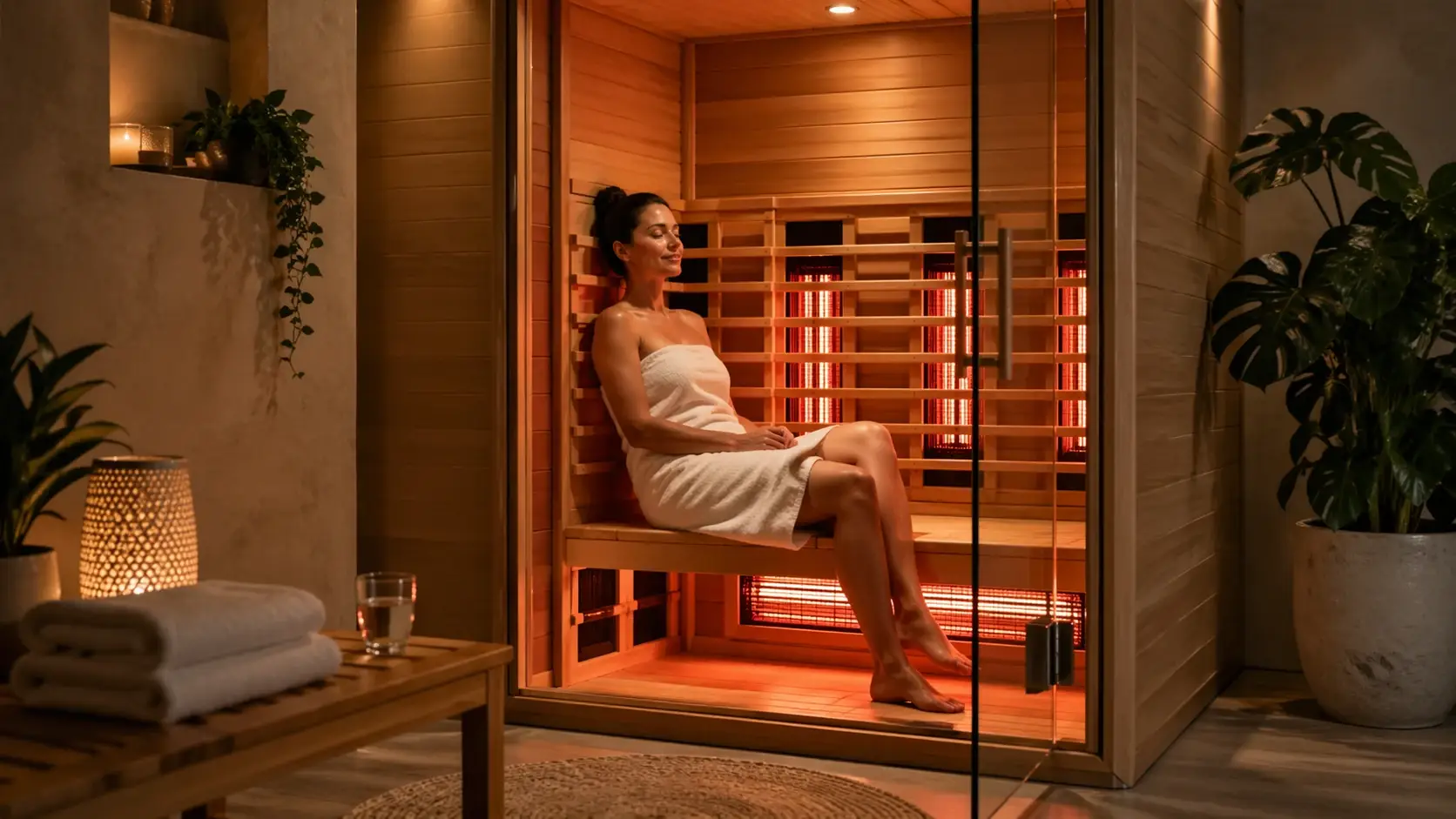
Neither sauna type is automatically better. The better option depends on what kind of heat you enjoy, how often you plan to use it, and where the sauna will be installed. For a deeper side by side comparison, read our guide to infrared vs. traditional sauna.
| Decision Factor | Infrared Sauna | Traditional Sauna | What Matters Most |
|---|---|---|---|
| Heat feel | Milder air with direct radiant warmth | Hotter air with a stronger classic sauna feel | This is often the biggest deciding factor. |
| Ease of tolerance | Often easier for heat sensitive users | Can feel harder to tolerate for beginners | Comfort affects consistency. |
| Session style | Dry, approachable, routine friendly | Traditional, intense, heat focused | The best sauna is the one you will use. |
| Home fit | Often attractive for wellness rooms, gyms, and indoor spaces | Great for classic sauna rooms and custom builds | Layout, electrical needs, and design goals matter. |
If you want a lower temperature sauna experience and a gentler introduction to heat therapy, infrared may be the better fit. If you want the classic intense heat of a traditional sauna, a traditional sauna may be the better choice.
What Do 10 Minutes in an Infrared Sauna Do?
For many people, 10 minutes in an infrared sauna is a solid starter session. It can begin warming the body, increase circulation, nudge the heart rate upward, and start light sweating. Just as important, it can create a quick mental reset after work, training, or a stressful day.
What 10 Minutes Usually Does
- Starts warming the skin and body.
- May trigger light sweating, especially in a preheated cabin.
- Helps beginners test tolerance without overdoing it.
- Can create a short but useful wind down routine.
What 10 Minutes Usually Does Not Do
- Create dramatic body changes.
- Guarantee heavy sweating for everyone.
- Replace a consistent routine over weeks and months.
- Prove that longer sessions are automatically better.
Bottom line: 10 minutes is often a smart first session, not a miracle session.
Skin, Collagen, and Red Light Questions
Is Infrared Sauna Good for Skin?
Infrared sauna may be good for skin in a limited and realistic sense. Heat can increase circulation, and sweating can leave the skin looking flushed or glowy right after a session. It may also support a broader relaxation routine, which can indirectly support sleep and overall self care habits.
Where buyers get misled is when that temporary glow gets turned into major anti aging claims. Infrared sauna is not the same thing as a dermatologist treatment, and it is not the same thing as targeted red light therapy for the skin. If your biggest priority is wrinkles, texture, or mild laxity, our guide to red light therapy benefits for skin is usually the more relevant place to start.
What Is Reasonably Supported?
- A temporary post session glow.
- A relaxation routine that may support better sleep and better consistency with overall wellness habits.
- A heat session that many people find mentally calming and physically comfortable.
What Is Mixed or Conditional?
- Mild improvement in skin texture over time.
- Broader support for recovery and overall wellbeing that could indirectly benefit appearance.
What Is Overstated?
- That infrared sauna removes wrinkles.
- That sweating deeply detoxes the skin in a meaningful anti aging way.
- That consumer infrared sauna sessions clearly build collagen.
Do Infrared Saunas Build Collagen?
This is where nuance matters. There is research on targeted light based skin treatments and stronger evidence for red and near infrared photobiomodulation in cosmetic skin care. That is not the same thing as saying a consumer infrared sauna clearly builds collagen in a meaningful, visible way.
The safest buyer answer is this: maybe there can be supportive skin effects over time, but collagen specific claims for infrared sauna are limited and easy to exaggerate. If collagen support is your real goal, a skin focused red light conversation is usually more direct than a sauna conversation.
Which Is Better for Wrinkles, Red Light or Infrared?
For wrinkles, red light therapy is usually the better fit. Infrared sauna is mainly a heat experience. Red light therapy is a more targeted light treatment aimed at skin and superficial tissue.
When the goal is fine lines, mild texture improvement, redness, or early visible aging, red light generally has the stronger direct case.
Choose Red Light First If Your Main Goal Is:
- Fine lines and mild wrinkles.
- Texture and tone.
- Mild skin laxity.
- A more skin focused routine.
Choose an Infrared Sauna First If Your Main Goal Is:
- Relaxation.
- A regular heat and sweat ritual.
- Comfort after training or long workdays.
- A broader home wellness setup.
Does Red Light Therapy Tighten Skin?
Red light therapy may help modestly, especially with mild signs of aging and early laxity. That is the realistic expectation. Some dermatology guidance and research suggest red light can improve fine lines, texture, redness, and the look of mildly loose skin with repeated use. What it does not do is create a dramatic or surgical style lift.
Can Red Light Therapy Help Sagging Jowls?
It can help a little in some cases, but this is exactly the kind of concern where expectations need to stay grounded. If jowls are mild and the issue is early skin laxity, red light therapy may help improve skin quality enough to make the area look slightly firmer over time. If jowls are moderate or severe, red light is unlikely to create the kind of visible lift most people hope for.
Cortisol, Stress, and Red Light Questions
Is Sauna Good for High Cortisol?
Sauna can help some people unwind, but it should not be marketed as a proven treatment for high cortisol. Sauna often feels calming, and that can be valuable. At the same time, heat is also a short term physical stressor, so it is too simplistic to claim that sauna directly solves cortisol issues.
If you feel wired, exhausted, anxious, or burned out, the bigger drivers usually matter more: sleep quality, caffeine timing, daylight exposure, exercise, alcohol use, workload, and mental health support. Sauna may complement that picture. It should not carry the whole burden.
Can Red Light Therapy Lower Cortisol?
The evidence here is mixed and not strong enough for a confident consumer claim. Some light exposure research suggests light can influence hormonal rhythms, but that is not the same as showing that home red light therapy is a reliable cortisol lowering tool. For most buyers, it is more honest to view red light as a supportive part of a broader routine, not a direct cortisol solution.
Who Is an Infrared Sauna a Good Fit For?
People Who Want Comfort Over Intensity
Infrared saunas usually make sense for people who like warmth but do not enjoy extremely hot air. They can be especially appealing for homeowners who want a calming, lower temperature sauna experience inside a wellness room, home gym, bathroom suite, or relaxation space.
People Who Want a Repeatable Wellness Routine
A good match often looks like this: you want relaxation, you prefer a milder dry heat, and you are choosing based on consistency instead of dramatic health promises.
People Comparing Sauna Options for a Home
If you are deciding between infrared and traditional sauna options, think beyond the benefit list. Also consider size, electrical requirements, room layout, materials, controls, ventilation, service access, and long term support. Our home sauna buying guide can help you compare those practical details.
How Do You Use an Infrared Sauna Safely?
Start Shorter
Begin with shorter sessions and lower settings while you learn how your body responds. A 10 minute session can be a smart starting point for many beginners. More time and more heat do not automatically mean better results.
Stay Hydrated
Drink water before and after your session. Leave the sauna if you feel dizzy, lightheaded, weak, nauseated, headachy, overheated, or uncomfortable.
Avoid Alcohol Before Use
Alcohol can increase the risk of dehydration, dizziness, and poor judgment around heat exposure. It is smarter to keep sauna sessions simple, calm, and well hydrated.
Wear Simple, Comfortable Clothing
Most users do well with light, breathable clothing or whatever the facility recommends. For more detail, read our guide on what to wear in an infrared sauna.
Do Not Use It as Medical Care
An infrared sauna can be part of a wellness routine, but it should not replace medical advice, prescribed treatment, physical therapy, exercise, nutrition, or sleep.
Comfort Features That Make Infrared Saunas Easier to Use
One practical benefit that often gets overlooked is usability. If your sauna is simple to control, easy to preheat, and flexible enough to match your preferences, you are more likely to use it consistently.
Modern sauna controls can help personalize the experience. The SaunaLogic2 Control System gives users a more convenient way to manage temperature, session timing, lighting, and system status from the touchscreen control. For compatible setups, mobile app functionality may also allow remote operation where cell or data service is available.
Smart controls should not be treated as a medical benefit. They are better understood as a usability benefit. A sauna that is easier to control, easier to prepare, and more enjoyable to use is often the sauna people will use more consistently.

Is an Infrared Sauna Worth It?

An infrared sauna may be worth it if you enjoy heat, want a repeatable relaxation habit, and prefer a lower temperature environment that feels easier to use regularly. It is less compelling if you expect dramatic medical results, prefer traditional high heat, or are unlikely to use it consistently.
What Matters Most When Buying
- Whether the heat feels comfortable enough for regular use
- Room size and available space
- Quality of materials and construction
- Electrical requirements and installation planning
- Warranty, service, and long term support
- Controls, lighting, audio, and usability features
- Whether the sauna fits your budget and routine
What Matters Less Than Marketing Suggests
- Dramatic detox claims
- Fat loss promises
- Technical language that sounds scientific but does not prove results
- The assumption that a higher price always means a better experience
- Claims that make one sauna type sound perfect for everyone
Common Objections and Better Next Steps
“I only want something for wrinkles.”
Start with red light or a dermatologist conversation, not an infrared sauna. A sauna can still be a great lifestyle addition, but it is not the most direct wrinkle tool.
“I just want lower cortisol.”
Use sauna or red light as a supportive habit, not your primary treatment idea. Build around sleep, daylight, movement, nutrition, caffeine timing, and stress reduction first.
“It seems harmless, so longer must be better.”
Not necessarily. Overdoing heat can leave you dizzy, dehydrated, headachy, overheated, or wiped out. More is not always better. Better is better.
“I want the easiest home option.”
If convenience matters most, infrared often wins. If you want the strongest classic sauna feel, traditional may be the better fit. If you are also thinking about practical use details, including session comfort and beginner habits, our guide on what to wear in an infrared sauna can help answer one of the most common first use questions.
What Happens If You Ignore the Limits?
The usual result is not a breakthrough. It is a bad session. Think dehydration, overheating, skin irritation, or feeling worse instead of better. That is why gradual use, hydration, and realistic expectations matter.
What to Use Instead When the Goal Is Different
- For deeper wrinkle concerns, start with dermatologist guided skin care and daily sun protection.
- For mild skin support, consider consistent red light therapy.
- For classic high heat lovers, look at traditional sauna options.
- For easy home heat sessions, infrared or hybrid may be the better match.
Planning an Infrared Sauna for Your South Florida Home
If you are comparing infrared sauna benefits because you are thinking about adding one to your home, the next step is not only reading about benefits. It is seeing what fits your space, your electrical setup, your design goals, and the way you actually plan to use the sauna.
Sauna & Steam Center has helped South Florida homeowners and commercial clients plan sauna and steam room spaces for more than 21 years. Visit our showroom at 2801 Greene St. Suite 1, Hollywood, FL 33020, or explore our home sauna buying guide before choosing the right sauna for your space.
Contact Sauna & Steam Center to discuss your infrared sauna options.
FAQ
What are the top infrared sauna benefits?
The top infrared sauna benefits are relaxation, easier heat tolerance, temporary comfort for soreness or stiffness, support for a post workout routine, temporary skin glow, and a calming wellness habit. The benefits are usually modest and practical rather than dramatic medical effects.
Are infrared sauna benefits real or mostly marketing?
Some infrared sauna benefits are real, especially comfort, relaxation, easier heat tolerance, and routine support. The broader the claim, such as detox, major weight loss, collagen building, cortisol lowering, or disease treatment, the more cautious you should be.
What is an IR sauna?
An IR sauna is an infrared sauna, which uses infrared emitters to warm the body more directly than a traditional sauna that mainly heats the air.
Do infrared saunas help with weight loss?
Infrared saunas can cause temporary water loss through sweating, but that is not the same as fat loss. They should not be treated as a primary weight loss strategy.
Do infrared saunas detox the body?
Detox claims are often overstated. Sweating is normal and can feel refreshing, but infrared sauna use should not be presented as a proven cleansing or detox therapy.
Can infrared saunas help with sore muscles?
They may help some people feel temporary relief from everyday soreness or stiffness, especially after exercise. That is different from treating an injury or chronic pain condition.
Is infrared sauna good after a workout?
It can be a relaxing part of a post workout routine for some users. However, recovery still depends more on sleep, hydration, nutrition, and proper training balance.
Is infrared sauna better than traditional sauna?
Not always. Infrared may be better if you prefer lower temperature air and a gentler dry heat. Traditional may be better if you enjoy stronger heat and the classic sauna feel.
What do 10 minutes in an infrared sauna do?
Ten minutes can warm the body, start light sweating, increase circulation, and help you relax. It is a useful beginner session, not a dramatic transformation.
Is infrared sauna good for skin?
It may support a temporary glow and a broader relaxation routine, but it is not the most direct or proven tool for wrinkles, collagen, or tightening.
Do infrared saunas build collagen?
Claims here should stay conservative. Some targeted light based skin treatments are associated with collagen support, but consumer infrared sauna collagen claims are limited and easy to overstate.
Which is better for wrinkles, red light or infrared?
Red light therapy is usually the better wrinkle focused option because it is more targeted to skin concerns and has a more direct skin care role.
Is sauna good for high cortisol?
Sauna can help you unwind, but it should not be treated as a proven stand alone solution for high cortisol.
Can red light therapy lower cortisol?
The evidence is mixed. It is better viewed as a supportive tool in a broader recovery routine, not a direct cortisol treatment.
Does red light therapy tighten skin?
It may modestly improve early laxity and skin texture with repeated use, but it does not create a dramatic lift.
Can red light therapy help sagging jowls?
It may help a little with mild laxity, but it is unlikely to meaningfully lift moderate or severe jowls on its own.
How often should you use an infrared sauna?
There is no single schedule that fits everyone. Many people start with a few shorter sessions per week and adjust based on comfort, hydration, and how they feel afterward.
How long does it take to feel infrared sauna benefits?
Relaxation and warmth can be felt during the first session. Other routine based benefits depend on consistency and personal response.
Who should avoid or be cautious with infrared saunas?
Pregnant people, people with cardiovascular concerns, people who faint easily, people sensitive to heat, and anyone taking medications that affect hydration, sweating, or blood pressure should ask a clinician before sauna use.
Do smart sauna controls make infrared sauna benefits stronger?
Smart controls do not make the health claims stronger, but they can make the sauna easier and more enjoyable to use. Temperature settings, timers, lighting, and mobile access may help users keep a more consistent routine.
What should I look for before buying an infrared sauna?
Look at comfort, size, materials, electrical requirements, controls, warranty, installation support, and whether the sauna fits your space. The best sauna is usually the one that is safe, comfortable, and easy to use consistently.
Conclusion
Infrared sauna benefits are best understood as realistic, practical, and user dependent. The most believable benefits include relaxation, lower temperature comfort, temporary muscle comfort, a temporary skin glow, and support for a consistent wellness routine. The least believable claims are usually the biggest ones, especially detox, major weight loss, wrinkle removal, collagen building, cortisol lowering, and broad medical treatment language.
For homeowners, the best infrared sauna decision is not based on hype. It is based on comfort, safe use, quality construction, smart planning, and whether the sauna fits the way you want to live. If you want help comparing infrared sauna options for your South Florida home or business, Sauna & Steam Center can help you choose a setup that makes sense for your space.
References
- Beever R. Far infrared saunas for treatment of cardiovascular risk factors: summary of published evidence. Canadian Family Physician. 2009.
- Massachusetts General Hospital. Infrared Saunas and Cold Plunges: Is Everything Old New Again? 2025.
- Mero A, Tornberg J, Mäntykoski M, Puurtinen R. Effects of far infrared sauna bathing on recovery from strength and endurance training sessions in men. SpringerPlus. 2015.
- Ahokas EK, Ihalainen JK, Hanstock HG, Savolainen E, Kyröläinen H. A post exercise infrared sauna session improves recovery of neuromuscular performance and muscle soreness after resistance exercise training. Biology of Sport. 2023.
- Ahokas EK, Ahokas E, Hanstock HG, Kyröläinen H, Ihalainen JK. Effects of repeated use of post exercise infrared sauna on neuromuscular performance and muscle hypertrophy. Frontiers in Sports and Active Living. 2025.
- Lin CC, Chang CF, Lai MY, Chen TW, Lee PC, Yang WC. Far infrared therapy: a novel treatment to improve access blood flow and unassisted patency of arteriovenous fistula in hemodialysis patients. Journal of the American Society of Nephrology. 2007.
- Mayo Clinic. Do infrared saunas have any health benefits?
- Cleveland Clinic. Infrared Saunas: What They Do and 6 Health Benefits.
- Harvard Health. Can regular sauna sessions support a healthy heart?
- American Academy of Dermatology. Is red light therapy right for your skin?
- Cleveland Clinic. Red Light Therapy: Benefits, Side Effects & Uses.
- Harvard Health. Red light therapy for skin care.
- Couturaud V, et al. Reverse skin aging signs by red light photobiomodulation.
- Shurrab K, et al. Low-level laser therapy for skin rejuvenation: A safe and effective treatment?
- Avci P, et al. Low-level laser light therapy in skin.
- Hussain J, Cohen M. Clinical Effects of Regular Dry Sauna Bathing.
- Robertson-Dixon I, et al. The Influence of Light Wavelength on Human HPA Axis Rhythms.