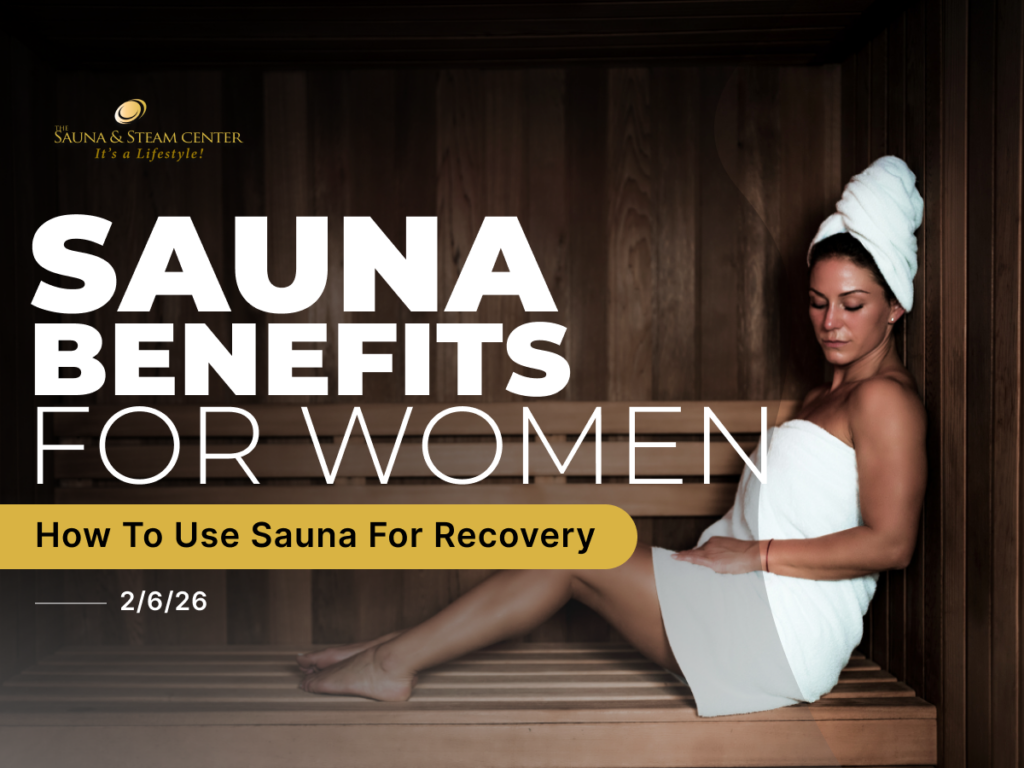
Sauna Benefits for Women: What Is Realistic, What Is Overstated, and How to Use Heat Safely
Sauna benefits for women are best understood as relaxation, recovery, and routine-building benefits, not miracle claims about detox, fat loss, or hormone balance.
For many women, sauna use can feel genuinely helpful because it creates time to slow down, unwind after a workout, and settle into a better recovery rhythm. The strongest case for sauna use is practical: it may support comfort, stress relief, short-term muscle recovery, and a calming end-of-day ritual. It is much less convincing when it is marketed as a cure-all. If you want the bigger picture, our broader sauna benefits guide breaks down what heat therapy may and may not do in everyday life.
Quick Answer
Sauna use may help women relax, feel less stiff, recover more comfortably after exercise, and build a wellness routine that supports better sleep and stress management. Research on sauna bathing is promising in some areas, especially cardiovascular response and general well-being, but much of that evidence is not specific to women.
The most reliable way to think about sauna use is as a support tool. It may help you feel better, but it should not be framed as a replacement for exercise, medical care, nutrition, or evidence-based treatment.
Key Takeaways
- Sauna use is most credible as a relaxation and recovery practice, not as a cure-all.
- Some women find it helps with short-term muscle soreness, sleep routines, and feeling physically settled after a busy day.
- Claims about detox, meaningful fat loss, acne treatment, or hormone balancing are often stronger than the evidence.
- Pregnancy, dehydration, dizziness, low blood pressure, heat-triggered headaches, and certain medical conditions call for extra caution.
- The best sauna type is usually the one you tolerate comfortably and can use consistently.
What sauna use may realistically help with
For most women, the most believable benefits of sauna use are the simplest ones. Heat can feel comforting, help the body unwind, and create a natural pause between work, exercise, and rest. That alone can make sauna time worth it.
It also helps to separate direct effects from indirect ones. A sauna session directly raises skin blood flow, heart rate, and sweating. Indirectly, it may help you feel calmer, more ready to stretch, more likely to rehydrate, or more willing to protect your evening routine. Those surrounding habits matter.
The women who get the most value from sauna use usually do not treat it like a miracle. They use it as one small part of a bigger routine that already includes movement, sleep, hydration, and realistic self-care. That frame is far more useful than inflated promises.
The most useful way to think about sauna use is as a support tool for recovery and relaxation, not a substitute for exercise, medical care, or healthy daily habits.
Does sauna use help circulation or heart health?
Sauna use increases heart rate and widens blood vessels, which is why many women notice a warm, flushed, loose feeling during and after a session. That immediate response is real. The bigger question is whether regular sauna use supports long-term cardiovascular health.
The answer is cautiously encouraging, but it needs context. Some research has linked regular sauna bathing with favorable cardiovascular patterns and lower risk of certain long-term outcomes. At the same time, many of the strongest long-term studies are observational, which means they show association rather than proof of direct cause and effect.
It is also important not to confuse sauna heat with exercise. A sauna session can create cardiovascular demand, but it does not replace strength training, aerobic training, balance work, or daily movement. It makes more sense as an add-on to a healthy routine than as a shortcut around one.
What matters most here
- Temporary increases in heart rate and circulation are normal during sauna use.
- Regular use may support cardiovascular wellness, but the evidence is stronger for association than direct proof.
- Sauna bathing should complement exercise, not replace it.
- Anyone with unstable heart disease, fainting history, or very low blood pressure should be more careful.
Can it help stress, sleep, or mood?
For many women, this is where sauna use feels the most valuable. The heat, quiet, and forced pause from distractions can create a clear transition out of a stressful day. That shift can matter more than any flashy wellness claim.
Some studies and surveys suggest sauna use may be associated with better well-being, lower perceived stress, and better sleep. In practice, part of that benefit may come from the ritual itself. If a sauna session leads to rehydration, a shower, less screen time, and a more predictable bedtime routine, it is easy to see why some people sleep better afterward.
That does not mean sauna use should be marketed as a treatment for anxiety, depression, trauma, or chronic insomnia. It may support a calming routine, but it is not a substitute for mental health care or medical treatment when those are needed.
What women should not expect
- It should not be positioned as a treatment for mood disorders or severe sleep problems.
- It may not help everyone, especially if heat triggers headaches or feels overstimulating.
- One relaxing session can feel good, but long-term benefits depend on consistency and the rest of your routine.
Does sauna help muscle recovery, soreness, or stiffness?
This is one of the most practical reasons women use a sauna. Heat can help muscles feel looser, reduce the sense of stiffness after training, and make recovery feel more comfortable. That is a useful benefit, even if it does not mean every session speeds tissue repair in a dramatic way.
Sauna use works best for recovery when it sits next to the basics that matter more: enough fluids, enough food, enough sleep, and a sensible training plan. If you regularly exercise, it can help to understand the timing and safety side of using a sauna after the gym, especially if you tend to finish workouts already hot, tired, or dehydrated.
For mild stiffness or the general heaviness that follows a hard day, sauna use may be soothing. But sharp pain, swelling, or persistent symptoms deserve a more careful evaluation. Heat can support comfort. It should not cover up an injury that needs attention.
When sauna use makes the most sense for recovery
- After moderate training when the goal is relaxation and reduced stiffness.
- On days when your body feels tight rather than sharply painful.
- As part of a broader recovery routine that includes hydration, nutrition, and rest.
When it makes less sense
- When you are already dehydrated after a long or intense workout.
- When you feel faint, nauseated, or overheated.
- When you are using heat to push through an injury instead of addressing it.
What about skin, detox, and weight loss claims?
This is where sauna writing often becomes least trustworthy. Sweating is normal in a sauna, but sweat should not automatically be turned into a detox story. The body already relies on the liver and kidneys for that work. Sauna sweating may feel cleansing, but broad detox claims are usually vague and overstated.
Skin claims also need moderation. Heat can temporarily increase skin blood flow, which may leave the skin looking fresher right after a session. Some women enjoy that effect, while others find that heat worsens dryness, flushing, or irritation. A sauna is not a dermatology treatment, and it is not a reliable acne solution.
Weight loss claims deserve the same caution. Sauna use can temporarily lower scale weight because you lose water through sweat, but that is not the same as losing body fat. If you want a more detailed evidence-based breakdown, see our guide on whether saunas help with weight loss. It explains why short-term water loss and long-term body composition change are not the same thing.
What is realistic
- A temporary glow from increased skin blood flow.
- A sense of feeling lighter right after sweating, mainly because of fluid loss.
- A supportive role in a healthy routine, but not a standalone fat-loss strategy.
What is often overstated
- Claims that sweating removes toxins in a clinically meaningful way for most healthy people.
- Claims that sauna use directly melts fat or meaningfully reshapes the body on its own.
- Claims that sauna use reliably clears acne or fixes skin conditions by itself.
Women-specific considerations
The main differences for women are usually about context and safety, not secret women-only physiology. Most of the core heat responses apply to adults in general, but some women may have practical concerns that deserve clearer discussion.
Pregnancy
Pregnancy is one of the clearest situations where extra caution is needed. Because sauna use raises body temperature and can increase the risk of overheating, dehydration, and dizziness, many clinicians advise avoiding saunas during pregnancy unless your own clinician gives you individualized guidance.
Perimenopause and menopause
Some women in midlife are interested in sauna use because they want better relaxation, sleep support, or a calmer routine. That can be reasonable, but the evidence is not strong enough to present sauna use as a treatment for hot flashes or broader hormonal symptoms. For some women, heat feels comforting. For others, it feels aggravating.
Low blood pressure, dizziness, and heat sensitivity
Women who run low blood pressure, get lightheaded easily, or have a history of fainting may need shorter sessions, lower temperatures, or a decision to skip sauna use altogether. The same is true for women whose migraines, rosacea, or skin irritation are triggered by heat.
High training loads and under-fueling
If you train hard and are already low on fluids, low on calories, or both, adding more heat stress may be less helpful than it sounds. A sauna should not become another stressor layered on top of a body that is already depleted.

Traditional vs infrared vs steam
The best heat format is usually the one you tolerate comfortably and can use consistently. Traditional saunas, infrared saunas, and steam rooms all feel different in everyday use, and those differences matter more than trendy marketing language.
| Option | How it feels | What it may suit best | What to watch for |
|---|---|---|---|
| Traditional sauna | Hot air, often dry unless water is added to the stones | Women who enjoy a classic high-heat experience and shorter intense sessions | Can feel overwhelming for beginners or anyone prone to dizziness |
| Infrared sauna | Lower air temperature with a gentler feel for many users | Women who want heat but dislike very hot air | Lower temperature does not make it risk-free if sessions become too long |
| Steam room | Lower temperature with very high humidity | Women who prefer moist heat and a less dry environment | Humidity can feel heavy, and the experience is different from a dry sauna |
If you are comparing home or spa options, our infrared vs traditional sauna comparison can help you sort out the comfort, heat level, and practical tradeoffs between the two most common dry-heat formats.
If moist heat appeals to you more than dry heat, it is also worth reviewing the broader benefits of steam before deciding which experience fits your routine best.
How to use a sauna safely
Women usually do best when they start shorter and gentler than they think they need. There is no prize for staying in longer than your body tolerates well. The goal is to finish feeling calmer and clearer, not drained.
A practical starting approach
- Start with shorter sessions if you are new to sauna use or returning after a break.
- Hydrate before going in and again afterward.
- Leave immediately if you feel dizzy, weak, nauseated, or unusually short of breath.
- Cool down gradually instead of rushing into another stressor.
- Avoid alcohol before or during sauna use.
- Do not treat discomfort as proof that the session is working better.
What a simple routine can look like
For many women, a few moderate sessions per week is enough to see whether sauna use helps with relaxation or recovery. More is not always better. The best routine is the one that feels sustainable and leaves you feeling better afterward, not depleted the next day.
What to do after
- Rehydrate.
- Let your breathing and body temperature settle.
- Shower if you want to remove sweat and reduce skin irritation.
- Moisturize if your skin feels dry or tight.
- Eat if the session followed exercise or a long gap without food.
Who should be cautious or avoid it?
Sauna use is not automatically unsafe, but it is not equally appropriate for everyone. Women who should be more careful include those who are pregnant, dehydrated, prone to fainting, or dealing with unstable medical conditions.
- Pregnant women: Many clinicians advise avoiding saunas because of overheating and dehydration concerns.
- Women with low blood pressure or fainting history: Heat can increase lightheadedness.
- Anyone with unstable heart disease or a recent cardiac event: Get individualized medical guidance first.
- Women with acute illness, fever, or severe dehydration: Sauna use adds more heat stress when the body is already strained.
- People with heat-triggered migraines or very sensitive skin: Symptoms may worsen rather than improve.
- Women taking medications that affect hydration, blood pressure, or heat tolerance: Extra caution is sensible.
If you already know that hot showers, hot weather, or stuffy rooms make you feel weak or headachy, that history matters. Sauna use is optional. A shorter session, a cooler option, or skipping it altogether can be the smarter choice.
FAQ
How often should women use a sauna?
There is no single perfect number. For many women, a few sessions per week is enough to learn whether sauna use improves relaxation, recovery, or sleep without becoming draining.
Is infrared better than a traditional sauna for women?
Not necessarily. Infrared often feels gentler because the air temperature is lower, while traditional saunas provide a hotter classic experience. The better choice is the one you tolerate well and will actually use consistently.
Can a sauna help with bloating?
Some women feel temporarily lighter after sweating, but that does not mean sauna use addressed the cause of bloating. Any change right afterward is usually fluid-related.
Can sauna use replace exercise on hard weeks?
No. It may be a helpful recovery or relaxation tool during a stressful week, but it does not replace the broader benefits of regular movement, strength work, and aerobic fitness.
Does sauna use help women sleep better?
It may, especially when the session becomes part of a calm evening routine. Still, it is not a guaranteed solution for chronic insomnia or severe sleep disruption.
Conclusion
Sauna use can be a worthwhile part of a woman’s wellness routine, but its value is usually simpler than the marketing suggests. It may help you feel calmer, less tight, more recovered, and more ready to rest. Those are meaningful benefits when they happen consistently.
At the same time, sauna use should not be oversold. It does not reliably detoxify the body, it does not create meaningful fat loss on its own, and it should not be framed as treatment for skin problems, hormone issues, or mood disorders. The most honest view is also the most useful one.
If a sauna leaves you feeling restored, comfortable, and more able to take care of yourself well, it may deserve a place in your routine. If it leaves you drained, lightheaded, or chasing exaggerated promises, it probably does not.
References
The sources below support the main evidence-aware points in this article, especially around cardiovascular effects, recovery, general safety, and pregnancy-related heat caution.
- Hussain, J., & Cohen, M. (2018). Clinical Effects of Regular Dry Sauna Bathing: A Systematic Review. Evidence-Based Complementary and Alternative Medicine.
- Laukkanen, J. A., Laukkanen, T., & Kunutsor, S. K. (2018). Cardiovascular and Other Health Benefits of Sauna Bathing: A Review of the Evidence. Mayo Clinic Proceedings.
- Laukkanen, T., Kunutsor, S. K., Khan, H., Willeit, P., Zaccardi, F., & Laukkanen, J. A. (2018). Sauna bathing is associated with reduced cardiovascular mortality and improves risk prediction in men and women: a prospective cohort study. BMC Medicine.
- Laukkanen, T., Khan, H., Zaccardi, F., & Laukkanen, J. A. (2015). Association Between Sauna Bathing and Fatal Cardiovascular and All-Cause Mortality Events. JAMA Internal Medicine.
- Ahokas, E. K., Ihalainen, J. K., Hanstock, H. G., Savolainen, E., & Kyröläinen, H. (2023). A post-exercise infrared sauna session improves recovery of neuromuscular performance and muscle soreness after resistance exercise training. Biology of Sport.
- Ravanelli, N., Casasola, W., English, T., et al. (2019). Heat stress and fetal risk. Environmental limits for exercise and passive heat stress during pregnancy: a systematic review with best evidence synthesis. British Journal of Sports Medicine.
- American College of Obstetricians and Gynecologists. Can I use a sauna or hot tub early in pregnancy?
Medical Disclaimer: This article is for educational purposes only and is not medical advice. Sauna & Steam Center does not diagnose, treat, cure, or prevent any disease. Always consult a qualified healthcare professional before starting sauna use, especially if you are pregnant, have a medical condition, or take prescription medications.