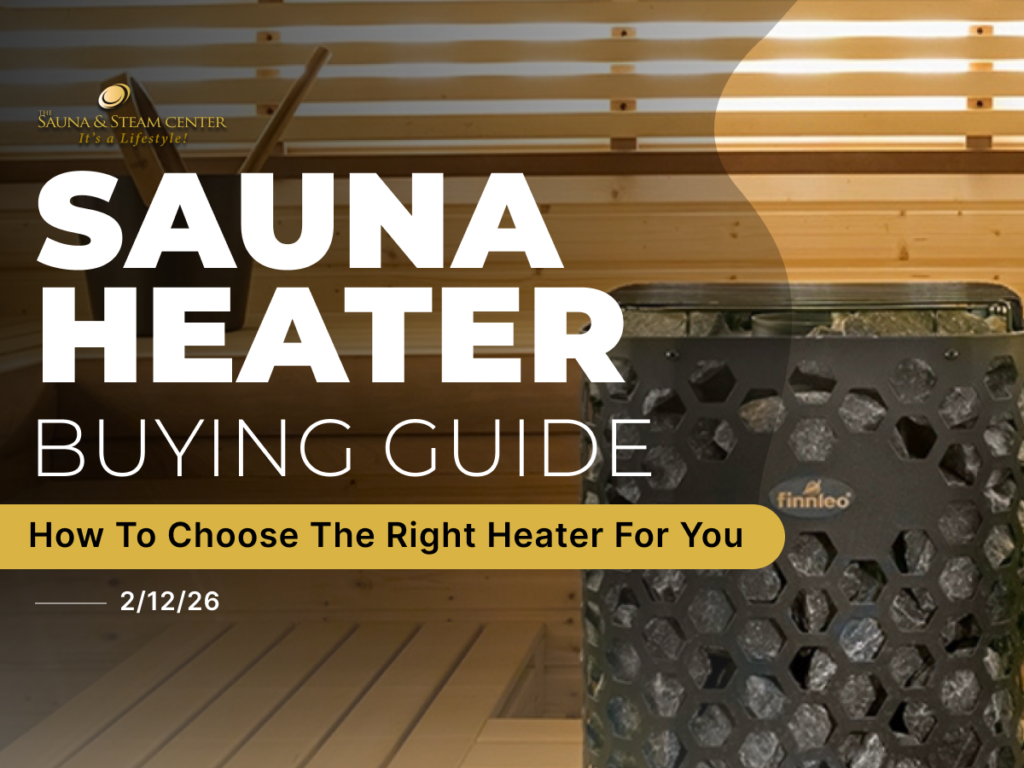
Sauna Heater Guide: How to Choose the Right Size, Type, and Features
Sauna heater guide starts with one simple idea: the heater is the part of your sauna that most directly shapes how the room feels, heats up, and performs over time. It warms the air, heats the stones, and helps create the dry heat and steam response people expect from a traditional sauna. Choose the right one and your sauna feels comfortable, consistent, and easy to use. Choose the wrong one and you may end up with slow warmup, uneven heat, and a setup that never feels quite right. If you are comparing options before you buy, this article will help you make a more confident decision. We will cover heater sizing, electric versus wood-burning models, the features that affect the feel of the heat, real installation and safety considerations, and the tradeoffs that matter most in daily ownership. If you are still comparing full sauna setups, our home sauna buying guide is a helpful next step.Quick Answer
The best sauna heater is the one that matches your room volume, wall materials, heat preferences, and installation conditions. For most home buyers, electric heaters are the easiest choice because they offer predictable heat, simpler controls, and less daily maintenance. Wood-burning heaters appeal to buyers who want a more traditional experience and are comfortable with venting, fuel storage, and added safety planning. Proper sizing matters just as much as brand or style, because even a premium heater can disappoint if it is not matched to the room correctly.Key Takeaways
- Heater size affects warmup time, comfort, and long-term performance.
- Stone capacity plays a major role in how soft or sharp the heat feels.
- Electric heaters fit most home sauna projects better than wood-burning models.
- Controls, materials, and serviceability matter more than many buyers expect.
- Installation details, clearances, and ventilation should be part of the buying decision from the start.
- The best value usually comes from buying the right fit, not simply the lowest price.
Why the heater matters so much
When people picture a sauna, they usually think about the room itself first. They notice the wood, the bench layout, the size, and the overall look. In real use, though, the heater is what determines how the sauna actually behaves. A well-matched heater helps the room warm up more evenly, recover more smoothly after the door opens, and respond better when water is added to the stones. It also makes the sauna easier to use consistently, which is one of the biggest factors in whether a home sauna ends up becoming part of your routine.Bottom line: a sauna heater is not just a technical component. It is a comfort, performance, and ownership decision.
Electric vs wood-burning sauna heaters
Most buyers are choosing between electric and wood-burning. Both can create a satisfying traditional sauna experience, but they fit different homes and different expectations.Electric heaters
Electric heaters are the most practical choice for many residential projects. They are easier to control, easier to schedule, and more predictable day to day. If your goal is a sauna that feels simple to own and easy to use regularly, electric is usually the direction that makes the most sense.Wood-burning heaters
Wood-burning heaters offer a more hands-on, traditional feel. Some buyers love the ritual of building the fire and the atmosphere that comes with it. That said, wood-burning setups involve more planning around venting, clearances, fuel, and combustion safety, so they are usually a better fit for cabins, rural properties, or buyers who specifically want that experience.What if you are still deciding between sauna types altogether?
If you are not yet sure whether a traditional heater-based sauna is the right direction, it helps to compare the broader sauna categories first. Our guide to infrared vs traditional sauna can help clarify whether a heater-based sauna is the best match for your space and goals.How to size a sauna heater correctly
Sizing is one of the most important parts of choosing a sauna heater, and it is also one of the easiest places to make a mistake. Many buyers assume they can estimate by room footprint alone. In practice, sizing depends on how much space the heater needs to warm and how difficult that room is to heat.Start with room volume
Measure the interior length, width, and height of the sauna to calculate the full cubic volume. That is the baseline most manufacturers use when they recommend heater capacity.Account for glass and heat-storing surfaces
Glass doors, windows, tile, masonry, stone, and other dense or uninsulated surfaces increase the effective heating load. A sauna that looks small on paper may still need a more capable heater if it includes a lot of these materials.What happens if the heater is too small?
An undersized heater may take longer to heat the room, work harder to maintain temperature, and leave the sauna feeling weak or inconsistent. This is one of the most common reasons a sauna feels disappointing after installation.What happens if the heater is too large?
A heater that is much larger than the room requires can also create problems. It may heat too aggressively for the design of the room or make temperature control less intuitive than expected. Bigger is not always better. If you are budgeting the full project, it also helps to look beyond the heater price alone. Our article on how much a sauna costs explains the bigger picture, including equipment, installation, and upgrade decisions that affect the final investment.Features that change the ownership experience
Stone capacity
Stone capacity has a major effect on the character of the heat. More stones often create a fuller, softer heat and a more satisfying steam response when water is added. Lower stone volume can still work well, but it may feel quicker and sharper.Controls
Controls affect how easy the sauna is to use in real life. Some buyers prefer simple onboard controls. Others want an external control panel or remote features because they use the sauna on a schedule. The right choice depends less on novelty and more on whether it makes the sauna easier for you to enjoy regularly.Build quality and materials
Sauna heaters operate in a demanding environment with repeated heat cycling, humidity, and water exposure. Quality materials, durable construction, and long-term service support all matter more than they might in an ordinary household appliance.Maintenance and serviceability
Sauna stones need occasional replacement or rearranging, and components like elements or controls can matter over the life of the heater. Buyers often focus heavily on the initial look of the heater and overlook how easy it will be to maintain years later. If you are comparing premium electric sauna brands, our overview of the Finnleo sauna collection is useful for seeing how design, controls, and everyday usability come together in a higher-end home sauna setup.Cost and value
The true cost of a sauna heater includes more than the heater itself. In many projects, the total budget also includes controls, stones, electrical work or venting, labor, and any room modifications needed to meet clearance and ventilation requirements. That is why the cheapest heater is not always the best value. A lower-priced model that struggles to heat the room properly or leaves you unsatisfied with the feel of the sauna can cost more in frustration and replacement decisions later. Value comes from fit. The right heater should match the room, support the type of heat experience you want, and make the sauna easy enough to enjoy often. If you are still narrowing down full-system options, our guide to the best home sauna choices can help connect heater selection to the bigger buying decision.Common buying mistakes and objections
“My sauna is small, so any heater will work.”
Not necessarily. A compact room with glass, tile, or other heat-hungry surfaces can still need careful sizing. Small does not always mean simple.“I just want the least expensive heater that fits the chart.”
That approach often skips over the things that shape real ownership experience, such as stone capacity, control quality, brand support, and how the heat actually feels. Two heaters can look similar on paper and perform very differently in daily use.“I only care about getting the room hot.”
Most buyers end up caring about more than temperature. They care about warmup time, the softness of the heat, how well the sauna recovers after the door opens, and whether the experience feels enjoyable enough to repeat regularly.“Premium features are probably unnecessary.”
Sometimes that is true. But sometimes a better controller, better heat feel, or better long-term durability is exactly what turns a sauna from a nice idea into something you genuinely use and enjoy.Installation and safety basics
Choosing a sauna heater is partly about performance and partly about safe installation. The two should never be separated.Key installation considerations
- Follow the manufacturer’s published clearance requirements.
- Use qualified electrical installation for electric models where required by code.
- Make sure the room’s ventilation plan is appropriate for the heater and sauna design.
- For wood-burning units, treat venting and carbon monoxide safety as essential, not optional.
- Use the correct stone type and replace damaged or deteriorated stones as needed.
User safety matters too
Saunas can be a relaxing part of a wellness routine, but they are still a form of heat exposure. Dehydration, dizziness, and overheating are real considerations, especially for longer sessions or for people with medical conditions that affect heat tolerance. People who are pregnant, have cardiovascular concerns, or take medications that affect hydration or blood pressure should get individualized medical guidance before regular use. This article is for education only and not medical advice.What to do if you are unsure
If you are stuck between sizes, unclear about installation conditions, or still deciding whether a custom or prebuilt setup fits your home better, it is worth slowing down before you buy. For buyers planning the room itself, our guide on how to build a sauna at home helps put heater selection into the bigger installation picture.FAQ
How is a sauna heater different from a steam generator?
A sauna heater warms the air and stones in a traditional sauna. A steam generator creates high humidity for a steam room. They are different systems designed for different experiences.Is electric or wood-burning better for a home sauna?
Electric is usually better for most home buyers because it is easier to operate, easier to schedule, and easier to integrate into a residential installation. Wood-burning is better for buyers who specifically want a more traditional, hands-on experience.How much do sauna stones matter?
They matter a lot. Stone quantity and quality affect the character of the heat, the way the sauna responds when you add water, and the overall feel of the session.Do I need Wi-Fi or app controls?
Not always. The real question is whether those features will make the sauna easier for you to use consistently. If convenience increases usage, the upgrade may be worthwhile.Can a sauna heater create health benefits by itself?
No. The heater supports the sauna environment. Research on sauna use looks at the broader practice of heat exposure, not the heater as a stand-alone health product.How long should a sauna heater last?
That depends on build quality, installation quality, usage patterns, maintenance, and whether the heater was sized correctly for the room in the first place.Conclusion
The right sauna heater makes a major difference in how your sauna feels, performs, and fits into daily life. It affects comfort, warmup time, steam quality, convenience, and long-term satisfaction. That is why the best buying decision usually comes from matching the heater to the room and your real-world habits, not just picking a model based on price or appearance. At Sauna & Steam Center, we believe buyers feel most confident when the decision is clear and practical. If you are comparing heater options and want help narrowing down the right fit for your space, your heat preferences, and your installation plans, this is exactly the kind of decision we are here to help with.References
- Hussain J, Cohen M. Clinical Effects of Regular Dry Sauna Bathing: A Systematic Review. Evidence-Based Complementary and Alternative Medicine. 2018.
- Laukkanen T, Khan H, Zaccardi F, Laukkanen JA. Association Between Sauna Bathing and Fatal Cardiovascular and All-Cause Mortality Events. JAMA Internal Medicine. 2015.
- Harvard Health Publishing. Saunas and Your Health.
- Centers for Disease Control and Prevention. Carbon Monoxide Poisoning Basics.
- U.S. Environmental Protection Agency. Wood Smoke and Your Health.
- Harvia Support. How do I select the correct heater power?
- HUUM. Sauna Heater Size Calculator.

Charles Arthur
Charles Arthur specializes in sauna, infrared, steam, and hot tub education, helping clients choose systems that match their goals, space, and lifestyle. His work centers on recovery routines, stress management, sleep-friendly wind-down habits, and sustainable wellness through heat and water-based therapies. Charles is known for making complex product details easy to understand so people can make confident, informed decisions.