
Sauna Installation at Home: The Pre-Installation Checklist Most Buyers Miss
Sauna installation at home is not just about choosing a wood room, picking a heater, and finding an empty corner. A successful sauna project starts with planning. Before you buy, you need to know whether your home has the right space, electrical capacity, ventilation, flooring, delivery access, and installation conditions to support the sauna you want. This guide is built for homeowners who are close to buying a sauna but want to avoid expensive surprises. It explains what to check before ordering, how indoor and outdoor sauna installation differ, when professional help is needed, and which mistakes can turn a good project into a frustrating one.Quick Answer: What Should You Check Before the Project?
Before the project starts, check the location, measurements, ceiling height, electrical requirements, ventilation, flooring or outdoor base, drainage, delivery access, safety clearances, and total installed cost. Small indoor infrared saunas may be easier to place, while traditional saunas, outdoor saunas, hybrid saunas, and custom sauna rooms often need more planning around 240V power, heater sizing, airflow, base preparation, and professional installation.Key Takeaways Before You Install a Sauna
- Plan the project before choosing the sauna model.
- Measure the full usable area, not just the sauna footprint.
- Confirm whether the sauna needs 120V power, 240V power, or hardwiring.
- Review ventilation, flooring, moisture control, and delivery access early.
- Outdoor projects need extra planning for base preparation, drainage, weather exposure, and electrical routing.
- Professional help is usually best for 240V, outdoor, large, or custom sauna projects.
Why Sauna Installation Planning Matters
Many homeowners begin by comparing sauna models, prices, wood types, glass doors, lights, controls, and heater upgrades. Those details matter, but they should not be the first decision. The smarter starting point is this question: can your home support the sauna safely, comfortably, and without surprise project costs? Most setup problems happen because the buyer starts with the product instead of the installation environment. A sauna may be the right size on paper but feel cramped once people sit inside. It may look easy to place in a garage but require electrical work that was not planned. An outdoor sauna may look perfect in a backyard but still need a level base, drainage planning, weather exposure review, and a safe route for power. When the location, power, airflow, flooring, and installation path are clear, choosing the right sauna becomes much easier. If you are still comparing sauna types before planning the installation, read our Home Sauna Buying Guide.
Home Sauna Readiness Check
Use this quick check before you compare models. If you cannot answer these questions yet, the project may need more planning before you order.Your home may be ready for home sauna setup if:
- You know the exact indoor or outdoor location.
- You have measured width, depth, ceiling height, door swing, and walking clearance.
- You know whether the sauna requires 120V or 240V power.
- You know whether a dedicated circuit or licensed electrician is needed.
- The floor or outdoor base is level, stable, and suitable for the sauna weight.
- The area has a practical ventilation and moisture-control plan.
- The delivery path has been measured from unloading point to final location.
- You have reviewed the total installed cost, not only the sauna price.
What a Home Sauna Setup Really Involves
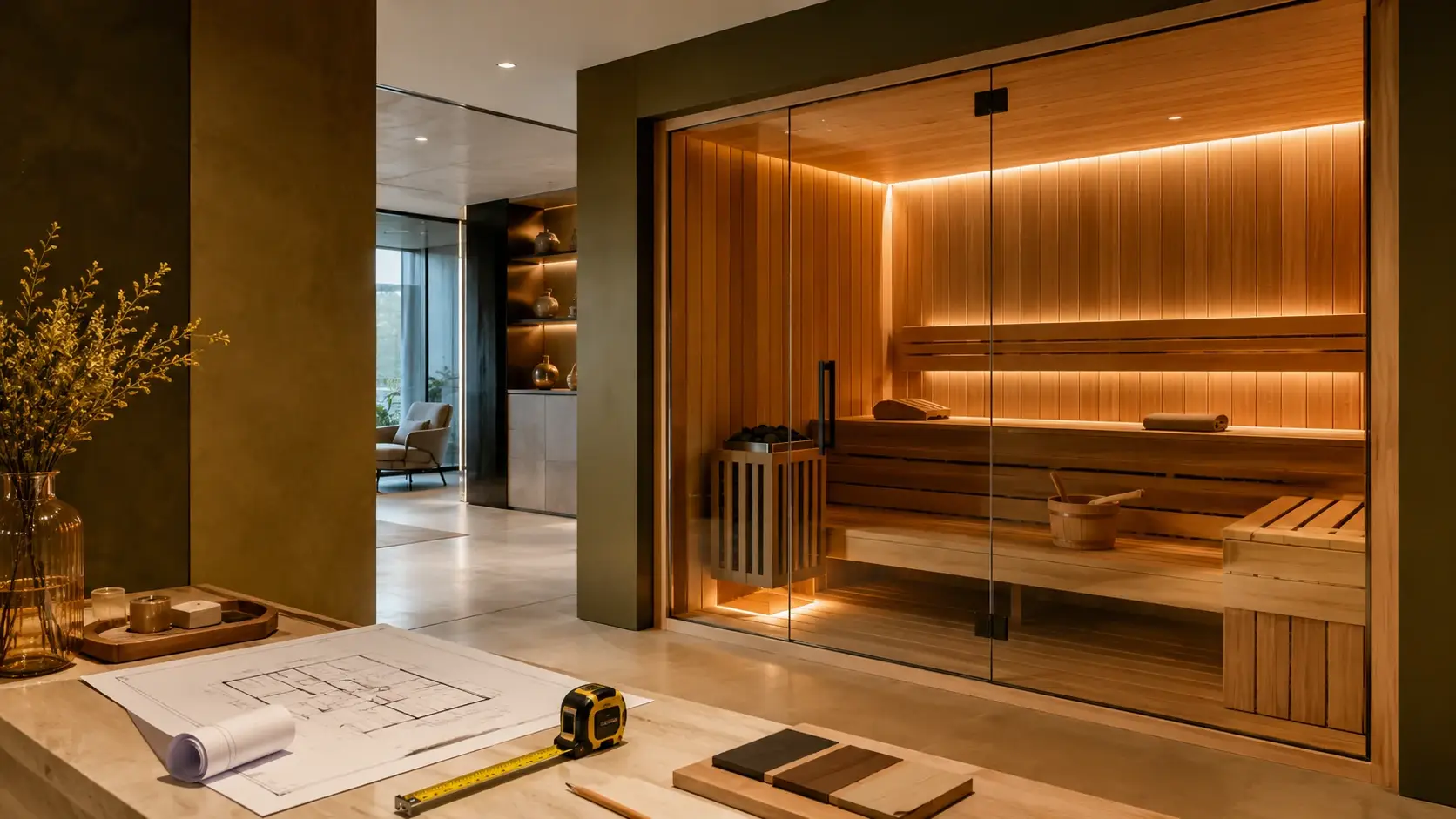
A home sauna setup may be simple or complex depending on the sauna type, where it will go, and what your home already supports. For some homeowners, the project may mean placing a compact indoor infrared unit in a home gym. For others, it means assembling a traditional indoor sauna kit with a dedicated heater. For a larger backyard project, it may mean preparing a pad, running power, planning drainage, and coordinating delivery and assembly. A complete sauna project may involve:- Measuring the installation area
- Choosing an indoor or outdoor location
- Confirming 120V or 240V power requirements
- Hiring a licensed electrician when needed
- Preparing the floor, pad, deck, or outdoor base
- Checking ventilation and moisture control
- Planning delivery access
- Assembling the sauna kit or structure
- Installing the heater, controls, lighting, and accessories
- Testing the sauna before regular use
1. Choose the Right Location for Your Sauna
The first step is deciding where the sauna will go. Location affects comfort, electrical work, ventilation, privacy, flooring, delivery, safety, and long-term use. Common home sauna locations include:- Home gyms
- Bathrooms
- Garages
- Spare rooms
- Primary bedroom suites
- Covered patios
- Pool areas
- Backyards
- Guest houses
- Wellness rooms
Planning tip: Do not measure only the sauna footprint. Measure the full installation area, including door swing, walking clearance, wall clearance, service access, and the route needed to bring the sauna into place.Before choosing a model, ask these questions:
- Can the sauna door open fully?
- Will users have room to enter and exit safely?
- Is there enough ceiling height?
- Is the floor level?
- Is the area dry and stable?
- Can the sauna be serviced later?
- Will the location feel private and comfortable?
- Is the sauna close enough to a shower, bathroom, or changing area?
2. Indoor vs Outdoor Sauna Installation
Indoor and outdoor projects are not planned the same way. Each location has different requirements.Indoor Sauna Installation
Indoor saunas are popular because they are convenient. You can use them without walking outside, and they are often easier to access at night, after a workout, or during bad weather. For indoor planning, review:- Room size
- Ceiling height
- Flooring material
- Moisture control
- Ventilation
- Electrical access
- Distance from showers or plumbing
- Delivery and assembly path
- How the sauna fits your daily routine
Outdoor Sauna Installation
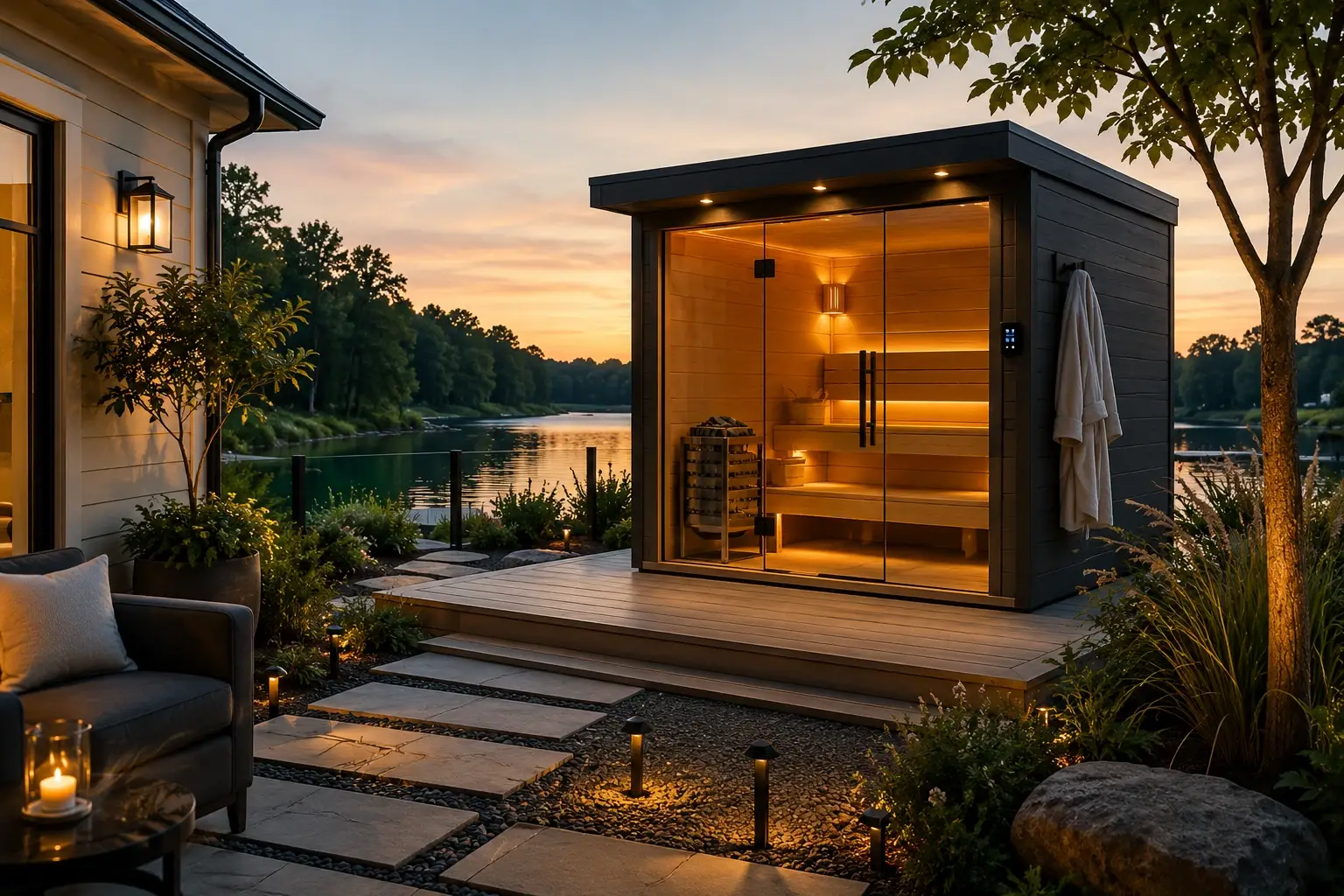
Outdoor saunas can create a relaxing backyard wellness space, especially near a pool, patio, garden, or cold plunge. But outdoor projects require more site planning. For outdoor planning, review:- Level ground
- Concrete pad, pavers, deck, or framed base
- Drainage around the sauna
- Distance from the house
- Rain, wind, and sun exposure
- Pathway lighting
- Privacy
- Electrical routing
- Delivery access
- Local building or permitting requirements
3. Sauna Installation Electrical Requirements
Electrical planning is one of the most important parts of the project at home. It is also one of the most common places where surprise costs appear. Some smaller infrared saunas may use 120V power. Many traditional sauna heaters, larger indoor saunas, outdoor saunas, and hybrid models often need 240V hardwired electrical service. The exact electrical requirement depends on:- Sauna type
- Heater size
- Room volume
- Control system
- Lighting
- Accessories
- Manufacturer instructions
- Local electrical code
- Does the sauna require 120V or 240V power?
- Does it plug in or need to be hardwired?
- Does it require a dedicated circuit?
- Can your electrical panel support the load?
- Where will the power enter the sauna?
- Will a licensed electrician be needed?
- Will outdoor wiring need extra protection?
- Are permits required in your area?
4. 120V vs 240V Power Planning
The difference between 120V and 240V matters because it affects placement, performance, and cost.120V Saunas
Some compact infrared saunas may operate on 120V power. These are often easier to place in an existing room, especially when the model can use an approved standard outlet. A 120V sauna may be a good fit for:- Smaller indoor spaces
- One-person or two-person saunas
- Home gyms
- Spare rooms
- Simpler installation projects
240V Saunas
Many traditional sauna heaters and larger sauna models need 240V power. These projects often require a licensed electrician and a dedicated circuit. A 240V sauna may be a better fit for:- Traditional Finnish-style saunas
- Larger indoor saunas
- Outdoor saunas
- Hybrid saunas
- Higher heat performance
- Custom sauna rooms
- Multi-person use
5. Sauna Ventilation and Airflow
Ventilation is easy to overlook, but it affects comfort and performance. A sauna needs proper airflow so heat can move through the space and users can breathe comfortably. Poor airflow can make the room feel stale, uneven, or uncomfortable. Ventilation needs vary by sauna type and manufacturer, but you should review:- Air intake location
- Air exhaust location
- Clearance around the sauna
- Whether the room outside the sauna has airflow
- Moisture control
- Heat buildup in small rooms
- Manufacturer ventilation instructions
6. Flooring and Outdoor Base Preparation
Every sauna needs a stable, level surface.Indoor Sauna Flooring
For indoor saunas, flooring should be strong, level, and appropriate for heat and moisture. Tile, concrete, and certain finished floors may work well, depending on the sauna type and manufacturer instructions. Avoid placing a sauna on flooring that may warp, trap moisture, shift, or become unstable.Outdoor Sauna Base Options
For an outdoor sauna, the base is even more important. The base should support the sauna weight, keep it level, and help water drain away from the structure. Common outdoor sauna base options include:- Concrete slab
- Paver base
- Deck platform
- Framed wood base
- Structured gravel base
- Existing patio, if level and strong enough
7. Delivery and Access Planning
A sauna can only be installed if it can reach the installation area. Before ordering, check the full delivery path. Measure and review:- Driveway access
- Gate width
- Doorways
- Hallways
- Stairways
- Elevators
- Tight turns and corners
- Ceiling height along the path
- Backyard access
- Distance from unloading area to installation site
Ask what delivery includes before you buy. Do not assume delivery includes placement, assembly, electrical connection, packaging removal, or final testing.
8. Safety, Code, and Manufacturer Checks
Style matters, but safety comes first. A sauna should be easy to enter, easy to exit, and comfortable to use. Before the project starts, review:- Heater clearances
- Electrical requirements
- Door swing
- Emergency exit access
- Slip-resistant flooring
- Ventilation
- Glass safety
- Bench stability
- Lighting
- Outdoor weather exposure
- Manufacturer installation instructions
- Local code or permitting requirements
9. Sauna Project Cost Factors
Total cost depends on more than the price of the sauna itself. Common cost factors include:- Sauna type
- Sauna size
- Heater type
- Electrical work
- Indoor or outdoor placement
- Base or flooring preparation
- Delivery distance
- Assembly difficulty
- Ventilation needs
- Custom carpentry
- Controls and lighting
- Permits, when required
- Site conditions
10. DIY vs Professional Sauna Installation
Some homeowners can handle parts of the project themselves. Others are better served by hiring professionals from the start.DIY Sauna Installation May Make Sense When:
- The sauna is a small indoor kit
- The manufacturer instructions are simple
- The unit uses an approved existing outlet
- No electrical upgrades are needed
- The floor is already level
- Delivery access is easy
- You are comfortable assembling large panels
Professional Sauna Installation Is Usually Better When:
- The sauna needs 240V power
- Electrical work is required
- The sauna is outdoors
- A base or platform must be built
- The sauna is large or heavy
- The space needs ventilation planning
- Custom work is involved
- You want fewer mistakes and delays
Dos and Do Nots Before You Install a Sauna
Searchers often want clear direction before making a purchase. This section gives homeowners a practical way to avoid common mistakes.Do This Before You Install
- Do choose the location before choosing the model.
- Do measure the full space, including door swing and access clearance.
- Do check the sauna electrical requirements before ordering.
- Do confirm whether a licensed electrician is needed.
- Do plan ventilation and airflow before assembly.
- Do prepare a stable, level base for outdoor saunas.
- Do ask what delivery, placement, assembly, and testing include.
- Do review the manufacturer instructions before installation begins.
Do Not Do This Before You Install
- Do not assume every sauna uses a standard outlet.
- Do not place an outdoor sauna directly on uneven soil or grass.
- Do not ignore drainage around an outdoor sauna.
- Do not install a sauna where the door cannot open safely.
- Do not block walkways, service access, or emergency exit paths.
- Do not compare only the sauna price without reviewing installation costs.
- Do not reuse an old heater unless it is approved, safe, and properly inspected.
- Do not start electrical work without a qualified professional when required.
South Florida Sauna Planning Considerations
Installing a sauna in South Florida comes with special planning needs. Humidity, rain, salt air, heat, insects, and storm exposure can all affect where and how a sauna should be installed. For indoor saunas, moisture control is important. The sauna should be placed in a space that can handle heat and humidity without creating problems for nearby walls, floors, or finishes. For outdoor planning in South Florida, review:- Rain exposure
- Drainage
- Wind exposure
- Direct sun
- Salt air near coastal areas
- Privacy
- Pest protection
- Safe electrical routing
- Access after storms
- Long-term maintenance needs
Sauna Installation Checklist Before You Buy
Use this checklist before you buy, build, or schedule installation.Space and Location
- Where will the sauna go?
- Is the area large enough?
- Is the ceiling high enough?
- Can the door open fully?
- Is there enough room to enter and exit safely?
- Will the sauna feel private and comfortable?
Electrical
- Does the sauna need 120V or 240V power?
- Does it plug in or need to be hardwired?
- Is a dedicated circuit required?
- Can your electrical panel support it?
- Will a licensed electrician be needed?
Flooring or Base
- Is the floor level?
- Can the floor support the sauna?
- Is the surface suitable for heat and moisture?
- For outdoor saunas, is there a stable base?
- Does water drain away from the sauna?
Ventilation
- Does the sauna have proper intake and exhaust airflow?
- Does the surrounding room have enough airflow?
- Will heat or moisture build up in the area?
- Are you following the manufacturer instructions?
Delivery and Access
- Can the sauna reach the installation area?
- Are doorways, gates, stairs, and hallways wide enough?
- Are there tight turns?
- Is assembly included?
- Is placement included?
- Is electrical connection included?
Budget
- What is the sauna price?
- What is the delivery cost?
- What is the assembly cost?
- What electrical work is needed?
- Is base preparation needed?
- Are permits needed?
- What could add cost later?
Common Sauna Setup Mistakes to Avoid
Many setup problems can be avoided with better planning. Watch out for these common mistakes:- Buying the sauna before measuring the full space
- Forgetting to check ceiling height
- Assuming all saunas plug into a standard outlet
- Ignoring 240V electrical requirements
- Placing an outdoor sauna on uneven ground
- Forgetting about drainage
- Choosing a sauna that blocks walkways
- Not checking delivery access
- Overlooking ventilation
- Forgetting service access
- Comparing only the sauna price, not the full project cost
- Trying to DIY work that should be done by a professional
FAQs About Installing a Sauna at Home
Can I install a sauna inside my house?
Yes, many saunas can be installed indoors. Before indoor setup, confirm the room has enough space, proper flooring, safe electrical access, ventilation, and a clear delivery path.Do home saunas need 120V or 240V power?
Some compact infrared saunas may use 120V power. Many traditional saunas, outdoor saunas, hybrid saunas, and larger models often need 240V power. Always check the manufacturer specifications before buying.Do I need an electrician?
You may need an electrician if the sauna requires hardwiring, 240V power, a dedicated circuit, panel work, or outdoor electrical routing. Electrical work should be handled by a licensed professional.Can I put an outdoor sauna on grass?
An outdoor sauna should usually be placed on a stable, level base instead of directly on grass. Common base options include concrete, pavers, a deck platform, or a properly built framed base.What is the best place for a home sauna?
The best place depends on the sauna type and how you plan to use it. Indoor locations like home gyms, bathrooms, garages, and spare rooms can work well when space, ventilation, and electrical access are appropriate. Outdoor locations can work well near patios, pools, or backyard wellness areas when the base, drainage, and electrical routing are planned correctly.What should I check before buying a sauna?
Before buying a sauna, check where it will go, how much space is available, what power it needs, whether ventilation is adequate, whether the floor or base is ready, how delivery will work, and what the total installed cost may be.Is DIY setup a good idea?
DIY setup may work for smaller indoor kits with simple instructions and no electrical upgrades. Professional help is usually better for outdoor saunas, 240V saunas, larger units, custom rooms, and projects that need electrical or base preparation.What is the biggest mistake people make?
The biggest mistake is buying the sauna before checking the installation conditions. Space, power, ventilation, flooring, delivery access, and total project cost should all be reviewed before the sauna is ordered.How do I know if my home is ready?
Your home may be ready if the installation space is measured, the electrical requirements are confirmed, the flooring or base is stable, ventilation has been reviewed, delivery access is clear, and the full project cost has been estimated.Conclusion: Plan Before You Buy
Adding a sauna at home can be one of the best upgrades you make to your wellness routine, but the best results come from planning first. Before you choose a model, check the space, power, ventilation, flooring, delivery path, safety needs, and total installation cost. For some homeowners, the right sauna may be a compact indoor infrared unit in a home gym. For others, it may be a traditional indoor sauna kit with a dedicated heater or an outdoor sauna that needs a pad, drainage planning, electrical routing, delivery coordination, and professional assembly. Each project is different. The right sauna is the one that fits your home before it ever arrives. Need help planning your sauna in South Florida? Contact Sauna and Steam Center to review your space, installation needs, and sauna options.References
- NFPA 70 National Electrical Code for electrical safety standards related to wiring, equipment, and installation work.
- Electrical Safety Foundation International guidance on qualified electricians for choosing trained, licensed, insured electrical professionals.
- International Residential Code Chapter 19 for special appliances and systems, including sauna heaters.
- U.S. Access Board guidance for saunas and steam rooms for accessibility considerations in public and commercial spaces.
- Manufacturer sauna specification sheets and installation manuals for sauna size, electrical requirements, clearances, and ventilation guidance.
- Licensed electrician guidance for 120V, 240V, dedicated circuit, hardwiring, and panel capacity questions.
- Local building, electrical, and permitting requirements for indoor and outdoor sauna installation projects.
- Sauna and Steam Center project planning experience with residential sauna projects in South Florida.